

Best Facials for Sensitive Skin That Calm

If your skin seems to react to everything - weather changes, active ingredients, even a basic facial - you are not imagining it. Finding the best facials for sensitive skin is less about chasing trends and more about choosing treatments that respect your skin barrier, lower inflammation, and support steadier function over time.
Sensitive skin needs a different standard of care. It is not simply skin that gets a little pink. For many people, it means stinging, flushing, tightness, rough texture, or breakouts that appear after products or treatments that were supposed to help. That is why the right facial should feel intentional from the start. It should begin with a conversation, not a one-size-fits-all protocol.
What makes a facial good for sensitive skin?
The best facials for sensitive skin do not try to force dramatic results in one visit. They work by calming visible irritation, protecting the barrier, and improving skin resilience in a way that feels supportive rather than aggressive.
That usually means avoiding harsh exfoliation, high-friction techniques, strong acids, or unnecessary heat. It also means choosing formulas and methods that are less likely to trigger inflammation. In practice, a good facial for sensitive skin often focuses on gentle cleansing, mild enzymatic activity, hydration, circulation support, and recovery.
There is also an important distinction between sensitive skin and sensitized skin. Sensitive skin can be a long-term skin type, while sensitized skin is often a temporary condition caused by over-exfoliation, sun exposure, stress, or using too many active products at once. The treatment plan may overlap, but the why matters. Evidence-informed care looks at both.
The best facials for sensitive skin usually start with the barrier
When skin is reactive, the barrier is often compromised. That barrier is what helps keep moisture in and irritants out. Once it is weakened, skin can become more vulnerable to redness, dehydration, and inflammation.
Barrier-first facials are often the safest place to begin. These treatments typically emphasize hydration, gentle cleansing, soothing serums, and restorative masks instead of intensive resurfacing. They may not sound flashy, but they are often exactly what sensitive skin needs to look better and feel more comfortable.
A strong barrier also creates better conditions for future correction. If your long-term goals include brighter tone, smoother texture, or firmer skin, calming the skin first is not a detour. It is part of the path.
1. Enzyme-based facials
Enzyme facials are often one of the better choices for reactive skin because they can encourage gentle exfoliation without the intensity of stronger acids or abrasive scrubs. Instead of pushing the skin hard, they help loosen dead surface buildup in a more controlled way.
That said, not every enzyme treatment is automatically right for every sensitive client. Some formulas are more active than others, and the technique matters. A well-chosen enzyme facial should leave the skin feeling refreshed and more balanced, not hot, stripped, or overstimulated.
For clients who want visible improvement but feel nervous about traditional exfoliating facials, this category often offers a more comfortable middle ground.
2. DMK Enzyme Therapy, when properly selected
DMK Enzyme Therapy can be an excellent option for some sensitive skin clients, especially when the goal is to support skin function rather than simply create a temporary glow. This treatment is known for working with the skin through enzyme action that encourages circulation, oxygenation, and overall skin revision.
The important phrase here is when properly selected. Sensitive skin is not one single condition. Some clients with fragile or reactive skin do very well with a customized DMK approach, while others may need barrier repair and prep work first. This is where guided treatment planning matters. A provider should assess current inflammation, product history, and the skin’s overall tolerance before deciding how to proceed.
When integrated thoughtfully, this type of treatment can fit into a larger Correct, Maintain, and Elevate pathway rather than acting as a standalone fix.
3. Hydrating and calming facials
Sometimes the best facial is the one that gives your skin room to recover. Hydrating facials designed for sensitive skin typically focus on replenishing water content, reducing tightness, and reinforcing comfort.
These treatments often include gentle cleansing, minimal manipulation, barrier-supportive serums, and calming masks with ingredients chosen for tolerance. They can be especially helpful during seasonal transitions, after travel, during periods of stress, or any time your skin feels overstimulated.
If your skin burns when you apply products or looks persistently flushed, this category is often a smarter starting point than anything marketed as resurfacing or corrective.
4. Customized maintenance facials
For truly sensitive skin, consistency often works better than intensity. A customized maintenance facial can be one of the most valuable options because it allows your provider to adjust the treatment based on how your skin is behaving in real time.
One month your skin may need repair and hydration. Another month it may tolerate a mild enzyme or a bit more targeted correction. This kind of flexibility is part of what makes professional skincare feel supportive. Instead of pushing through a preset routine, the treatment meets your skin where it is.
That ongoing relationship can make a meaningful difference, especially for clients who are tired of guessing.
Facials that may not be the best fit right away
Sensitive skin does not always mean you can never have advanced treatments. It usually means timing, preparation, and customization matter more.
For example, strong chemical peels, aggressive extractions, high-heat treatments, or microneedling may be too much when the skin is actively inflamed or the barrier is compromised. That does not mean they are off the table forever. It means they may belong later in the treatment pathway, after the skin is calmer and stronger.
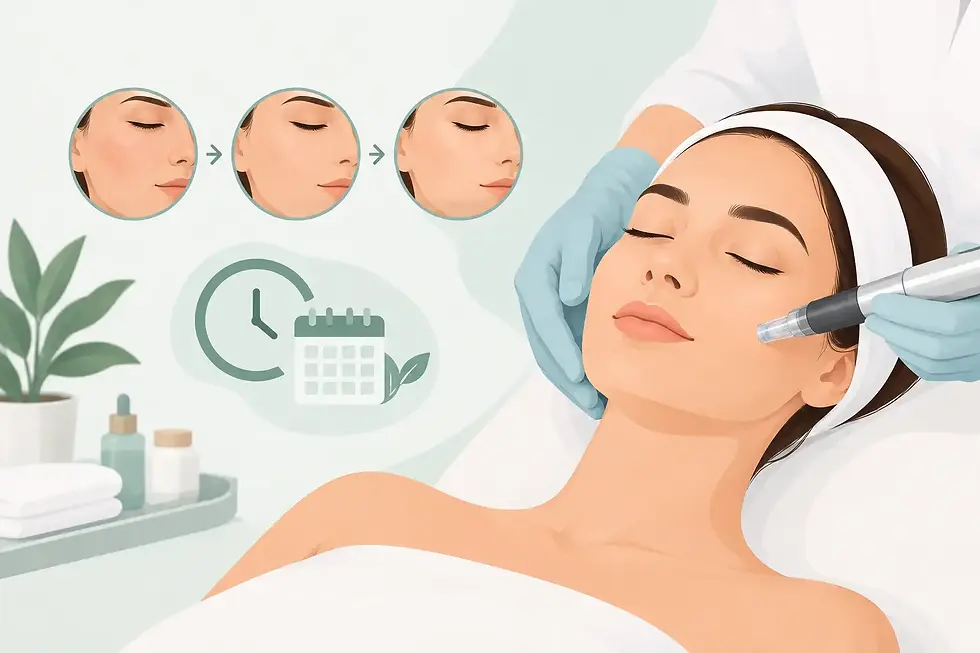
Microneedling is a good example of this nuance. It can be a valuable treatment for texture and overall skin rejuvenation, but if someone is dealing with significant redness, stinging, or reactivity, it may not be the first appointment to book. Sensitive skin often does better when correction is earned gradually.
How to know which facial your skin actually needs
The best facial is not always the one with the longest menu description. It is the one that matches your skin’s present condition, your history of reactions, and your long-term goals.
A few signs that your skin may need a calming or barrier-focused facial first include frequent redness, stinging from skincare, dry patches that do not improve, or a feeling that every active ingredient is suddenly too much. In those cases, trying to exfoliate your way to better skin can backfire.
If your skin is mostly stable but occasionally reactive, you may be a good candidate for a more customized maintenance plan that includes gentle exfoliation at the right intervals. If your sensitivity is tied to acne, rosacea tendencies, or a damaged barrier, the treatment pathway may need to be more structured.
This is why consultation matters. A thoughtful provider should ask what you are using at home, what triggers your skin, how quickly you flush, whether you have had negative reactions before, and what results you actually want. Good care is not just about what can be done. It is about what should be done now.
What to expect after a facial for sensitive skin
A well-matched facial for sensitive skin should leave your complexion feeling calmer, more hydrated, and more settled. You may notice less visible redness, softer texture, and a healthier look overall. The result is often subtle in the best way. Your skin looks like itself, just less stressed.
You should not feel raw, overheated, or painfully tight afterward. Mild pinkness can happen with some treatments, but lingering irritation is a sign that something may have been too strong.
Aftercare matters too. Sensitive skin usually responds best when you keep the rest of your routine simple after a treatment. That often means pausing strong actives, protecting your skin from sun exposure, and focusing on gentle hydration and barrier support.
The real goal is skin that becomes less reactive over time
For many people, the search for the best facials for sensitive skin starts because they want relief. That is valid. But the deeper goal is often bigger than that. It is wanting skin that feels dependable again - skin that supports the life you want to live without constant second-guessing.
That kind of progress usually comes from consistency, not overcorrection. In a clinic setting, that may look like beginning with calming treatments, then gradually layering in more corrective care as the skin stabilizes. For clients in the West Palm Beach area, especially where heat, humidity, and sun exposure can amplify reactivity, thoughtful pacing becomes even more important.
At YNG Aesthetics Lounge, that philosophy shows up in treatment pathways that respect both the skin and the person living in it. Sensitive skin does best when care feels steady, individualized, and grounded in what your skin is ready for now.
If your skin has been asking for a gentler approach, listen to that signal. The right facial should not make you prove how much your skin can tolerate. It should help your skin feel safe enough to get stronger.


Comments