

Best Facials for Skin Barrier Repair and Care

When your skin suddenly stings under products you have used for years, makeup catches on dry patches, or every new breakout seems to leave more irritation behind, the answer is rarely a stronger peel. The best facials for skin barrier support are often the ones that give your skin less to fight and more of what it needs to recover.
Your skin barrier is not a trend or a marketing phrase. It is the outermost layer of skin that helps hold water in and keeps environmental stressors, irritants, and microbes out. When it is functioning well, skin tends to feel comfortable, look more even, and tolerate active ingredients better. When it is compromised, even a well-intentioned skincare routine can start to feel like too much.
A thoughtful facial can support recovery, but the right choice depends on why your barrier is stressed, what your skin is showing today, and what treatment history came before it. A good plan should feel calming, not punishing.
What a Barrier-Supportive Facial Should Do
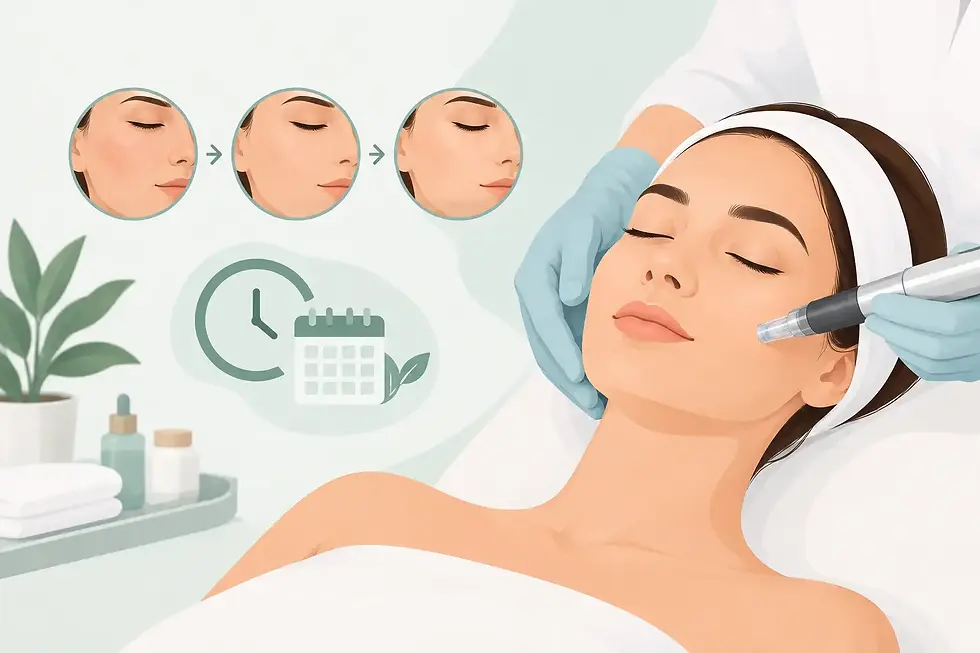
A facial for a weakened barrier should prioritize comfort, hydration, and a measured return to balance. That may include gentle cleansing, soothing masks, restorative hydration, and professional products selected for your skin's current tolerance. The goal is not to force visible change in one appointment. It is to create the conditions for healthier-looking skin over time.
A skilled provider also pays attention to signals that matter: persistent redness, tightness, flaking, heat, sensitivity, acne inflammation, recent sun exposure, use of retinoids or exfoliating acids, and recent procedures. These details change what is appropriate.
This is where the idea of a "best" facial needs a little nuance. A facial that is excellent for dull, resilient skin may be the wrong fit for skin that is reactive after over-exfoliation. Skin barrier care is personal because your skin's capacity changes with stress, hormones, weather, travel, and treatment choices.
The Best Facials for Skin Barrier Concerns
A Hydrating, Calming Facial
For many people, a customized hydrating facial is the best starting point. This type of service centers on replenishing moisture and reducing the feeling of tight, depleted skin. Gentle cleansing, minimal friction, a calming mask, and supportive finishing products can help skin feel more comfortable without asking it to process a long list of active ingredients.
This is especially useful when skin feels dry, sensitized, or visibly irritated after seasonal changes, travel, excessive exfoliation, or a disrupted home routine. It can also be a wise maintenance choice between more corrective services.
Hydration alone is not the entire barrier story, but it matters. Skin that is adequately hydrated often looks smoother and feels less reactive, making it easier to build a consistent treatment and home-care plan.
A Customized Barrier-Repair Facial
The most effective option is often not a preset menu service but a facial adjusted to your skin's real-time needs. A customized barrier-focused treatment may include calming professional products, hydration layering, limited or no extraction, and careful product selection to avoid triggering more inflammation.
Customization matters because congestion and sensitivity can exist at the same time. It is tempting to treat every breakout with intensive extraction or exfoliation, but inflamed skin may need a gentler approach first. In some cases, clearing every pore is not the priority. Helping skin regain tolerance is.
For clients who are unsure whether they need correction or recovery, start with a conversation. An experienced provider can assess whether your skin needs a soothing reset, a gradual corrective pathway, or a combination of both.
Gentle Enzyme Therapy, When Appropriate
Enzyme therapy can be part of a long-term skin health plan, but suitability depends on the condition of your barrier and the specific protocol used. Professional enzyme treatments are not interchangeable with aggressive exfoliation. When carefully selected and delivered within an individualized plan, they may support the skin's natural processes while addressing concerns such as dullness, congestion, or uneven-looking texture.
That said, active inflammation, severe sensitivity, a recent reaction, or an already overworked barrier may call for a more conservative service first. This is not a setback. It is a clinical decision that respects what your skin can handle today.
At YNG Aesthetics Lounge, treatment planning is designed around sustainable skin progress rather than pushing every client into the same service. That can mean beginning with support and maintenance before moving into more corrective work.
LED Light Therapy as a Supportive Add-On
LED light therapy can be a helpful addition for some clients with redness, inflammation, or acne-prone skin. It is non-invasive and does not rely on scrubbing, acids, or aggressive extraction. Different wavelengths are used for different concerns, so professional guidance is useful when deciding whether it belongs in your treatment plan.
LED is not a replacement for a healthy routine or a personalized facial, but it can complement one. For skin that feels overwhelmed by intensive treatments, a low-stimulation add-on may be more appropriate than another round of exfoliation.
Treatments to Pause When Your Barrier Is Compromised
There is no need to fear exfoliation, peels, microneedling, or corrective treatments forever. These services can have a place in evidence-informed care when they are timed well and matched to your skin. The issue is using them while your skin is signaling distress.
If your face burns when you apply bland moisturizer, feels persistently hot, flakes despite heavy hydration, or becomes red and tender with little provocation, pause and reassess before booking a strong peel or resurfacing treatment. The same caution applies if you have recently experienced a reaction, sunburn, or a period of aggressive at-home treatment.
Microneedling, for example, can be a valuable corrective service for the right candidate and concern. But it is not typically the first move for skin that is actively irritated or struggling to retain moisture. Preparing the skin first can support a better experience and a more intentional treatment pathway later.
How to Make Your Facial Results Last
A barrier-supportive facial works best when your home routine stops competing with it. For a few weeks, simple may be smarter: a gentle cleanser, a moisturizer that feels comfortable on your skin, daily broad-spectrum sunscreen, and only the active products your provider recommends.
Avoid the urge to introduce several new products at once. When skin is reactive, a crowded routine makes it harder to identify what is helping and what is causing problems. Consistency gives your skin a chance to settle.
Lifestyle matters, too. Florida heat, sun exposure, pool time, air conditioning, stress, and inconsistent sleep can all influence how skin behaves. You do not need a perfect routine to care for your barrier. You need a realistic one you can repeat.
When to Seek Professional Guidance
A facial can be deeply supportive, but persistent rash-like irritation, swelling, cracking, pain, or a suspected allergic reaction deserves medical evaluation from a qualified healthcare professional. A skin treatment provider can help with cosmetic care and treatment planning, while a dermatologist can diagnose conditions such as eczema, rosacea, dermatitis, or infection.
For less urgent concerns, professional guidance can remove much of the guesswork. Instead of moving between harsh products and random treatments, you can build a plan around three simple phases: calm what is stressed, maintain what is improving, and elevate only when your skin is ready.
Your skin does not need to earn gentle care by becoming worse first. Choose treatments that respect its current condition, give recovery the time it needs, and support skin that feels comfortable enough to support the life you want to live.


Comments