

Best Treatments for Dull Skin That Work

Some skin looks tired before you feel tired. It can happen after a stretch of stress, too much sun, travel, dehydration, breakouts, or simply a skincare routine that is no longer doing what your skin needs. If you are searching for the best treatments for dull skin, the right answer is usually not one trendy facial or one miracle product. It is a thoughtful plan that helps skin function better, not just look brighter for a day.
Dull skin is rarely a standalone issue. It is often a visible sign that cell turnover has slowed, circulation is sluggish, the barrier is compromised, or congestion is sitting at the surface. In some cases, pigment, texture, and dehydration all overlap, which is why treating dullness well requires more than a one-size-fits-all approach.
What actually causes dull skin?
Dullness usually shows up as a loss of glow, uneven texture, flat tone, or skin that seems shadowed even when it is well moisturized. Sometimes makeup starts to sit poorly. Sometimes the skin feels rough and looks lackluster at the same time.
A few common drivers tend to be behind it. Dead skin buildup is one of the biggest. When surface cells do not shed efficiently, light does not reflect evenly. Dehydration can also make skin look crepey, tired, and less resilient. Congestion, especially around the nose, chin, and forehead, can make the surface feel uneven. Sun exposure can create pigment changes that muddy overall brightness. And if the skin barrier is irritated from over-exfoliating or using too many actives, the complexion can look inflamed and dull at once.
That is why the best plan starts with identifying whether your skin needs correction, support, or both. Brightening healthy skin is very different from trying to brighten skin that is inflamed.
Best treatments for dull skin in the treatment room
Professional treatment can make a real difference because it addresses dullness at a deeper level than at-home products can. The most effective option depends on whether your skin is primarily dealing with buildup, dehydration, texture, post-inflammatory marks, or early signs of aging.
Enzyme therapy for sluggish, tired-looking skin
For skin that looks flat, congested, or generally under-functioning, enzyme-based treatments can be especially valuable. Rather than simply polishing the surface, they support circulation and encourage the skin to work more efficiently. This matters because glow is not only about exfoliation. It is also about healthier function beneath the surface.
DMK Enzyme Therapy is often a strong choice for clients whose skin feels dull and reactive at the same time. It supports the skin in a way that feels corrective without being needlessly aggressive. That balance is important, especially for anyone who has already tried scrubs, acids, or harsh home routines and ended up more sensitized than radiant.
Microneedling for texture and long-term renewal
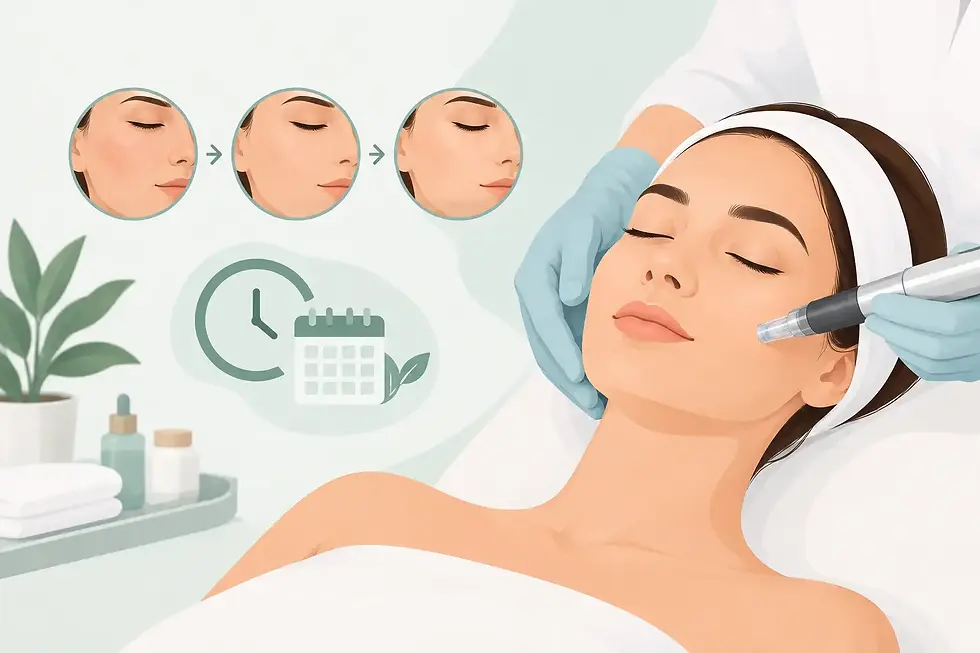
If dullness comes with rough texture, shallow acne scarring, or skin that has lost some bounce, microneedling can be one of the best treatments for dull skin over time. It works by creating controlled micro-injuries that stimulate the skin's natural repair response. That process can improve texture, refine the look of pores, and support a healthier, fresher surface as new collagen develops.
This is not an overnight fix, and that is part of why it works so well. The results build gradually. For many people, microneedling is less about a temporary glow and more about helping the skin become smoother, stronger, and more reflective over a series of treatments.
Professional exfoliation for buildup and uneven tone
When dead skin accumulation is the main issue, targeted exfoliation can brighten quickly. Professional exfoliating treatments may include enzymes, acids, or layered resurfacing methods chosen for your skin condition and tolerance.
The key is precision. More exfoliation is not always better. If your skin is dry, inflamed, or barrier-impaired, aggressive resurfacing can worsen the very dullness you are trying to correct. Done well, exfoliation should leave the skin looking clearer and more even, not raw or shiny from irritation.
Hydrating and barrier-supportive treatments
Sometimes dull skin is really thirsty skin. If your complexion looks tired, tight, or papery, hydration-focused treatments can restore light reflection surprisingly well. These treatments work best when they do more than add moisture for a few hours. They should also help reduce inflammation and support barrier integrity so your skin can hold hydration better on its own.
This is often the missing piece for clients who use strong actives at home but still do not see a healthy glow. Skin needs renewal, but it also needs support.
How to choose the best treatments for dull skin
The right treatment depends on what your skin is asking for now, not what was trending last month. If your skin is rough and congested, exfoliation or enzyme therapy may be the best first step. If it is thin, creased, and textural, microneedling may be more appropriate. If it is irritated and dry, starting with barrier repair can actually get you to brighter skin faster than pushing into correction too soon.
There is also the question of pace. Some people want a treatment before an event. Others want to improve overall skin quality in a way that lasts. Those are different goals. A pre-event facial may give a fresh, polished finish, while a structured series of corrective treatments is what creates visible change in tone, texture, and resilience over time.
This is where guided care matters. A thoughtful provider will not just ask what bothers you visually. They will look at how your skin behaves, what it has been exposed to, and what kind of treatment rhythm is realistic for your life.
What to do at home so results actually last
In-office care does a lot, but daily habits determine whether brightness holds. Dull skin often returns when home care is inconsistent, too harsh, or built around too many products doing similar jobs.
A strong home routine does not need to be complicated. It does need to be intentional. Cleanse gently, use a treatment step that matches your skin's needs, moisturize in a way that supports the barrier, and wear sunscreen every day. Sunscreen is not optional if brightness is the goal. UV exposure quietly reinforces pigment, inflammation, and uneven texture, even when you are not getting burned.
Exfoliation at home can help, but restraint matters. A well-formulated exfoliant used consistently usually outperforms strong acids used too often. The same goes for retinoids and brightening products. If your skin is constantly irritated, it will not look radiant.
Why consistency matters more than intensity
Many people chase glow by rotating through peels, masks, scrubs, and active serums. The problem is that skin responds best to consistency. One strong treatment can create a temporary boost, but long-term brightness usually comes from a plan that includes correction, maintenance, and seasonal adjustments.
That is especially true in a climate like South Florida, where heat, humidity, sun exposure, and lifestyle factors can all affect the skin differently throughout the year. In the West Palm Beach area, it often makes sense to think beyond a single appointment and consider how to support the skin through ongoing care rather than occasional rescue treatments.
This is one reason clients often do better with treatment pathways instead of isolated services. Skin that is guided over time tends to become more predictable, more balanced, and more responsive. At YNG Aesthetics Lounge, that philosophy shows up in care that is personalized, evidence-informed, and built to support skin health beyond one visit.
When dull skin needs a more customized plan
If you have tried facials and brightening products without much change, the issue may not be simple surface dullness. Melasma, post-acne discoloration, chronic inflammation, rosacea, and barrier impairment can all make skin appear dull while requiring very different care. This is why self-diagnosing can lead to frustration. Treating pigment like dryness, or irritation like buildup, usually delays results.
A customized plan can also help if your skin swings between oily and dehydrated, sensitive and congested, or bright in one area and shadowed in another. Mixed concerns are common, especially in adult skin. You may need calming and correction at the same time.
Healthy glow is not about forcing your skin to look polished. It is about helping it function well enough to reflect light, hold hydration, and recover with resilience. That kind of progress is worth doing with care.
If your skin has been looking flat no matter what you use, start with a conversation. The best treatment is not always the strongest one. It is the one your skin can build on.


Comments