

Best Treatments for Uneven Skin Tone That Last

Uneven skin tone rarely comes down to one dark spot or one bad skincare day. It can look like lingering acne marks, sun-related discoloration, redness, dullness, or patches that seem to deepen no matter how carefully you care for your skin. The best treatments for uneven skin tone begin by understanding what your skin is responding to, then giving it the right support consistently.
That distinction matters. Chasing quick fixes can leave skin irritated, sensitized, and even more uneven. A thoughtful plan helps correct visible concerns while protecting the healthy function that allows your results to last.
Why Skin Tone Becomes Uneven
Pigment is part of the skin's natural protective response. When skin experiences sun exposure, inflammation, heat, acne, friction, hormonal shifts, or a harsh product routine, it may produce melanin unevenly. That can leave behind brown or gray-brown marks, a blotchy appearance, or a complexion that simply no longer looks as clear and luminous as it once did.
In South Florida, sun exposure is often a major contributor. Even brief, everyday exposure while driving, walking, or sitting near a window can keep discoloration active. For some people, melasma - a form of hormonally influenced pigmentation - is especially sensitive to heat and visible light as well as UV rays.
Redness can also be mistaken for pigmentation. Post-acne redness, irritation from over-exfoliating, rosacea-prone skin, and a compromised barrier all call for a different approach than sunspots or post-inflammatory hyperpigmentation. This is why a consultation is more valuable than selecting a treatment based on a photo or trend.
Best Treatments for Uneven Skin Tone Start With Skin Health
Before advanced treatments can do their best work, the skin barrier needs to be respected. Think of the barrier as your skin's ability to hold water, defend itself, and recover from stress. When it is depleted, active ingredients and treatments can sting, trigger inflammation, and make discoloration more persistent.
Daily broad-spectrum sunscreen is the foundation. Without it, many corrective treatments are working uphill. A consistent sunscreen routine, along with shade and protective clothing when practical, helps prevent new discoloration from developing while existing pigment gradually fades.
At home, the right topical routine may include ingredients such as vitamin C, niacinamide, retinoids, azelaic acid, or pigment-regulating formulas selected for your skin's sensitivity and goals. More is not always better. Combining too many strong actives, especially acids and retinoids, can create the irritation that keeps uneven tone in motion.
Correct: Professional Treatments That Address Buildup and Pigment
Professional care can move beyond what a home routine can accomplish alone, particularly when discoloration has been present for months or years.
[DMK Enzyme Therapy](https://www.yngofficial.com/all-treatments/dmk-enzyme-therapy) can be a supportive option for skin that looks congested, dull, reactive, or uneven. This treatment is designed to encourage a healthier skin environment through targeted enzyme-based care. For clients whose tone concerns are tied to buildup, sluggish-looking skin, or post-breakout imbalance, it can be a restorative part of a broader correction plan.
The goal is not to aggressively strip the skin. It is to support circulation, hydration, exfoliation, and skin function in a measured way. That makes it especially valuable for people who have tried to exfoliate their way to brighter skin and found that their complexion became more sensitive instead.
Professional exfoliation may also be appropriate when selected carefully. Superficial treatments can help renew the look of the skin and soften the appearance of surface discoloration. The right choice depends on your skin tone, pigment history, current routine, and how easily your skin becomes inflamed. Stronger is not automatically more effective, particularly for deeper skin tones or anyone prone to post-inflammatory hyperpigmentation.
Elevate: Microneedling for Texture and Tone Concerns
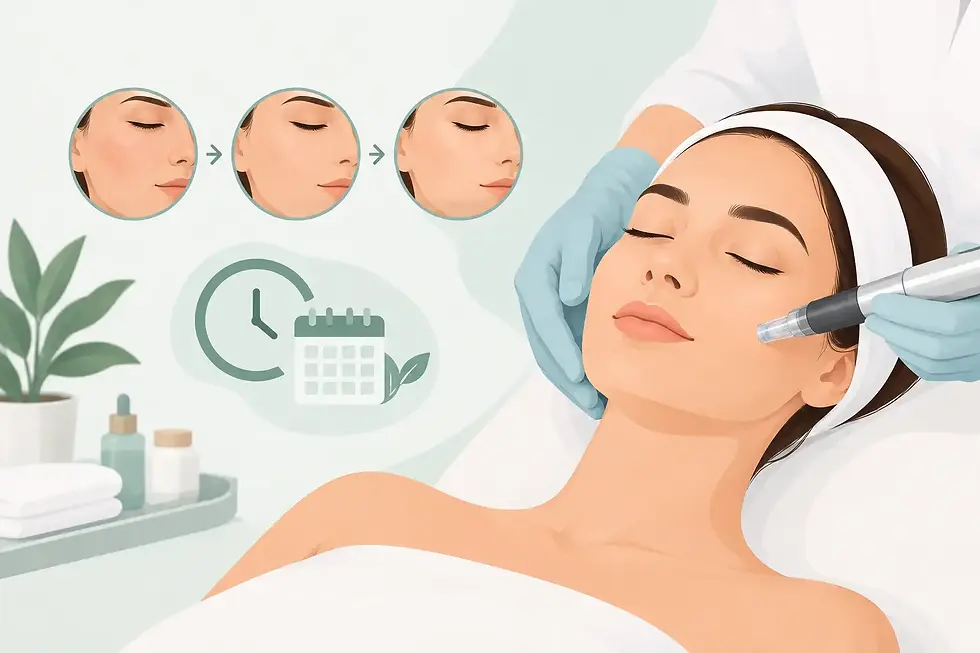
When uneven tone appears alongside acne scarring, fine lines, enlarged pores, or textural changes, microneedling may be considered. Microneedling creates controlled microchannels in the skin to support its natural repair process and encourage collagen production over time.
For the right candidate, this can improve the overall quality of the complexion so that skin looks smoother, more refined, and more even. Results are gradual, not overnight. Most people benefit from a series, with treatment spacing and aftercare adjusted based on their skin's response.
Microneedling is not a one-size-fits-all answer for pigmentation. Active breakouts, irritated skin, certain pigment conditions, and a history of post-inflammatory discoloration may require extra caution or a preparatory phase first. A skilled provider will assess whether it belongs in your plan now, later, or not at all.
The Difference Between Dark Spots, Melasma, and Acne Marks
Treating every form of discoloration the same way is one of the most common reasons people feel stuck.
Sunspots are often tied to cumulative UV exposure and may appear as defined brown spots in areas that receive the most sun. They usually respond best to a combination of daily sun protection, targeted home care, and professional correction.
Post-inflammatory hyperpigmentation develops after inflammation, often from acne, picking, waxing, or irritation. The original concern may be gone, but the mark remains. The priority here is twofold: prevent new inflammation and help existing marks fade without creating additional stress in the skin.
Melasma tends to appear in broader, symmetrical patches, commonly on the cheeks, forehead, upper lip, or jawline. It is known for being persistent and can reappear with sun, heat, hormonal changes, or overly aggressive treatment. Melasma care is usually a long-term management process, not a one-time correction. Gentle consistency often creates better results than an intense approach.
Maintain: Why Consistency Changes the Outcome
Beautiful skin is rarely the result of one appointment. It is the cumulative effect of an intentional routine, strategic professional treatments, and adjustments as your skin changes through seasons, stress, travel, and life.
A structured pathway makes that feel more manageable. During a correction phase, appointments may be more focused on calming inflammation, addressing buildup, or improving visible pigment. Once your skin is more balanced, maintenance protects your progress and helps your provider notice early changes before they become bigger concerns.
This is also where a relationship-driven approach matters. Your skin does not need to be pushed through the same protocol as everyone else. It needs someone to listen to what has worked, what has caused irritation, how much downtime fits your life, and what kind of results matter most to you.
At YNG Aesthetics Lounge, treatment planning is centered on that kind of continuity. The goal is skin that supports the life you want to live - polished enough to feel confident, healthy enough to stay resilient, and cared for without an overwhelming routine.
What to Expect From a Thoughtful Treatment Plan
Visible change takes patience because pigment fades on the skin's timetable. Some clients notice a fresher, more hydrated appearance soon after a treatment. More significant changes in discoloration, texture, and clarity often develop over several weeks to months, especially when a series of treatments is paired with consistent home care.
Your provider should discuss your history of pigmentation, medications, pregnancy or nursing status, active skin conditions, past procedures, and current products before recommending corrective care. Be honest about sun exposure and whether you tend to pick at breakouts. These details help prevent setbacks and create a safer, more effective plan.
If a treatment causes prolonged burning, swelling, worsening dark marks, or a reaction that does not settle as expected, contact your provider. Healthy progress should feel supported, not like your skin is constantly recovering from the last thing you tried.
The clearest path forward is often simpler than it seems: protect your skin daily, correct with purpose, and maintain the progress you earn. Start with a conversation about what your skin has been through and what you want it to feel like from here.


Comments