

Clinical Skincare Without Injectables That Works

A polished, rested look does not have to begin with a needle. Clinical skincare without injectables can be a thoughtful path for improving the qualities that make skin look healthy in the first place: clarity, hydration, texture, tone, and resilience. For many people, the goal is not to change their face. It is to feel more at home in it.
That distinction matters. When treatment is centered on long-term skin health, the plan becomes less about chasing a quick fix and more about supporting skin that can handle the life you want to live - sun, stress, travel, changing seasons, and all.
What Clinical Skincare Without Injectables Can Address
Non-invasive clinical treatments can make a meaningful difference when concerns are rooted in the skin itself. This may include dullness, congestion, uneven texture, visible pores, dehydration, post-breakout marks, early signs of aging, or a complexion that simply no longer reflects how well you care for yourself.
The most satisfying results are often subtle in the best way. Skin looks clearer. Makeup sits more smoothly. You may need less coverage, or feel comfortable leaving the house without it. Friends may say you look rested without being able to identify exactly why.
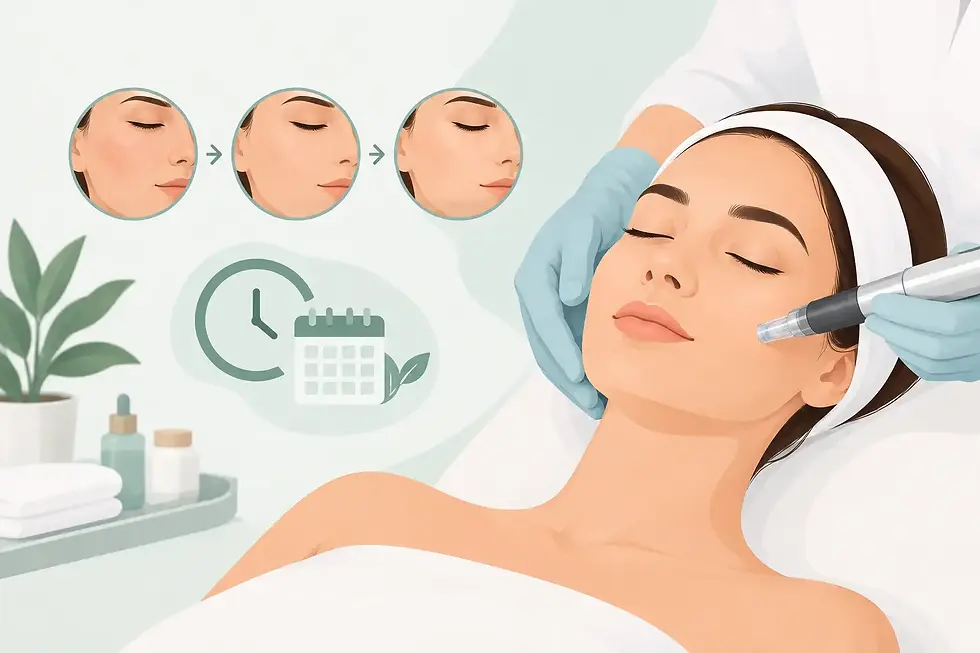
Treatments such as professional exfoliation, enzyme therapy, microneedling, and carefully selected home care can work together to encourage healthier skin function and improve visible concerns over time. The treatment itself matters, but the order, timing, and consistency matter just as much.
What It Cannot Replace
Honest guidance should include limits. Clinical skincare without injectables is not designed to restore significant facial volume, alter facial structure, or relax dynamic expression lines in the same way neuromodulators can. Those are different goals and require a different conversation.
For someone whose primary concern is deep volume loss or pronounced lines at rest, skincare alone may not create the degree of change they have in mind. That does not make skincare less valuable. It means the right plan begins with a clear understanding of what is happening in the skin, what is happening beneath it, and what kind of result would feel meaningful to you.
Many clients also choose non-invasive care because they prefer a gradual, natural-looking approach, want to avoid needles, are not ready for injectables, or simply want to improve their skin before considering anything else. All are valid reasons. A good provider will not make you feel as though you need to escalate treatment to be taken seriously.
The Difference Between a Facial and a Treatment Plan
A relaxing facial can be a wonderful part of self-care. A clinical treatment pathway serves a broader purpose. It starts with assessment: your current skin condition, lifestyle, sensitivities, past treatments, goals, and the habits that may be supporting or disrupting your progress.
From there, care should be organized rather than random. At YNG Aesthetics Lounge, this often means thinking in three phases: Correct, Maintain, and Elevate.
Correct: Address What Is Asking for Attention
Correction is the phase for active concerns. Perhaps your skin is congested, inflamed, dehydrated, uneven, or recovering from breakouts. Perhaps sun exposure and time have left behind texture or discoloration that no longer responds to your usual routine.
The right corrective treatment depends on your skin. DMK Enzyme Therapy, for example, may be used within a plan focused on supporting circulation, hydration, and skin function. Microneedling may be appropriate for clients looking to improve texture, the appearance of acne scarring, or signs of skin aging. Neither is a one-size-fits-all answer, and neither should be selected because it is trending.
Your provider may begin more gently than you expect. This is often a sign of good judgment, not a lack of ambition. Skin that is sensitized or compromised may need support before it can tolerate more intensive correction.
Maintain: Protect the Progress You Earn
Maintenance is where results become part of your lifestyle. It includes professional appointments spaced appropriately for your skin, along with a home routine that is realistic enough to follow. Consistency does not mean an elaborate shelf of products or weekly aggressive treatments. It means using the right essentials regularly and adjusting when your skin, schedule, or environment changes.
In South Florida, maintenance also means being serious about sun protection. A treatment plan can improve the appearance of uneven tone, but repeated unprotected exposure can work against that progress. Daily sunscreen, intentional reapplication, and supportive skin care are not glamorous steps, but they are often the difference between temporary improvement and lasting change.
For clients who value routine and ongoing guidance, a membership can make this phase feel easier to sustain. Instead of waiting until a concern becomes urgent, you have a place to check in, recalibrate, and continue caring for your skin with intention.
Elevate: Refine When Skin Is Ready
Elevation is not about perfection. It is about refining what is already healthy and building on the progress you can see and feel. Once active concerns are more stable, the focus may shift toward luminosity, smoothness, firm-looking skin, or maintaining a fresh appearance through seasonal changes and important events.
This is also the phase where restraint matters. More treatment is not automatically better treatment. The skin benefits from a plan that leaves room for recovery and respects its natural rhythm. A clinician who recommends waiting, simplifying, or repeating a foundational treatment may be protecting your results.
Why Home Care Is Part of Clinical Care
Professional treatments can create momentum, but home care carries that momentum through the days and weeks in between. The products you use should complement your in-clinic plan, not compete with it.
This is particularly important if you are using active ingredients at home. Retinoids, exfoliating acids, scrubs, and strong vitamin C formulas can be helpful for the right person, but layering too many actives can lead to irritation, sensitivity, and a compromised barrier. More intensity is not the same as more progress.
A thoughtful routine usually focuses on cleansing appropriately, protecting the skin barrier, treating targeted concerns, moisturizing as needed, and wearing sunscreen. The details may change, but the principle remains simple: your routine should support your skin, not keep it in a constant state of reaction.
How to Know Whether a Non-Invasive Plan Is Right for You
Start with a conversation, especially if you have tried many products or treatments without seeing a lasting change. The most useful consultation is not a menu review. It is a chance to discuss what bothers you, what you have already tried, how much downtime you can accommodate, and what consistency realistically looks like in your life.
Ask how the provider will track progress, when you should expect to reassess, and what they would recommend if your skin does not respond as expected. Evidence-informed care leaves room for adjustment. Skin can be influenced by hormones, medication, stress, climate, sleep, and more, so a responsible plan responds to real life rather than promising identical results for everyone.
If you are in the Lake Park and West Palm Beach area, choosing a clinic that offers continuity can be especially helpful. Familiarity allows your provider to recognize small changes, guide you through seasonal shifts, and keep your care aligned with your goals over time.
Your skin does not need to earn care by becoming a crisis. It can be enough to want support, clarity, and a plan that helps you feel confident showing up as yourself.


Comments