

How to Support Skin Healing Without Overdoing It

A healing skin moment can make even a thoughtful skincare routine feel uncertain. Whether you are dealing with post-breakout marks, dryness after a corrective treatment, irritation from trying too many active products, or skin recovering from a procedure, knowing how to support skin healing often means doing less, more intentionally.
Healthy skin is not built by pushing through discomfort. It is built through consistency, protection, and care that respects what your skin is communicating. The goal is not to make healing happen overnight. It is to create the conditions that allow your skin to repair itself well, so it can support the life you want to live.
Start by recognizing what your skin needs
Skin healing is not one-size-fits-all. A blemish that has been picked, a sensitized barrier, and skin in the days after microneedling each need a different approach. The shared principle is simple: reduce unnecessary stress while supporting the skin's natural repair process.
When skin is inflamed, it may feel tight, sting when products are applied, look unusually red, or develop dry, flaky patches. Breakouts can also leave the skin vulnerable, especially if there has been squeezing, exfoliating, or repeated spot treatment. These are signs to pause and assess rather than add a stronger product.
A temporary shift to a simple routine is often helpful. Use a gentle cleanser, a moisturizer suited to your skin type, and broad-spectrum sunscreen during the day. This gives the barrier breathing room without leaving the skin unprotected. For many people, the urge to correct every visible change quickly is what prolongs the recovery period.
Protect the skin barrier first
Your skin barrier is the outermost layer that helps retain water and defend against irritants, pollutants, and microorganisms. When it is compromised, products that normally feel fine can suddenly burn or cause redness. That does not necessarily mean every product is wrong for you. It may mean your skin needs a quieter season.
Choose gentle cleansing over that squeaky-clean feeling. Hot water, washcloth friction, cleansing brushes, and over-cleansing can all add irritation when the barrier is already under pressure. Lukewarm water and clean hands are often enough.
Follow cleansing with moisture while the skin is still slightly damp. A supportive moisturizer can reduce water loss and help the skin feel more comfortable as it repairs. The best formula depends on your skin, but in general, look for uncomplicated, barrier-supportive products and avoid introducing several new formulas at once.
Sunscreen is equally essential. Healing skin is more prone to lingering discoloration when exposed to UV light, including during a quick drive or time spent near a sunny window. In South Florida, daily sun protection is not an optional finishing step. It is part of correction and maintenance.
Know when active ingredients need a pause
Retinoids, exfoliating acids, benzoyl peroxide, vitamin C, and other active ingredients can be valuable tools. They are not inherently too harsh. Timing, strength, frequency, and the condition of your skin all matter.
If your skin is visibly irritated, raw, peeling, or stinging, continuing a full active regimen may delay healing. Pause the products that create discomfort and return to a basic supportive routine. Once the skin feels calm again, reintroduce one active at a time and at a frequency your skin can tolerate.
This is where professional guidance can save a great deal of frustration. What looks like congestion may be irritation. What feels like dry skin may be a damaged barrier. And what seems like a need for more exfoliation may actually call for hydration, calming support, and a more measured treatment plan.
Support healing from the inside, too
Topical care matters, but skin also responds to the rhythms of daily life. Sleep, hydration, nutrition, stress, and habits such as smoking can influence how the skin recovers. There is no single food or supplement that can replace a well-rounded approach, but regular meals with adequate protein, colorful produce, healthy fats, and hydration provide useful building blocks for the body’s repair processes.
Rest deserves more credit than it gets. During sleep, the body carries out important restorative functions, and consistent, quality sleep can make a visible difference in how resilient skin feels over time. If stress is showing up through breakouts, picking, or a cycle of over-treating your skin, a gentler routine can become one small way to practice self-respect.
Try not to touch healing blemishes or peel away flaking skin. It can be difficult, especially when a spot feels noticeable, but picking raises the risk of inflammation, infection, and post-inflammatory marks. If you struggle with this habit, keeping nails short and using a simple protective patch when appropriate can create a helpful pause.
How to support skin healing after professional treatments
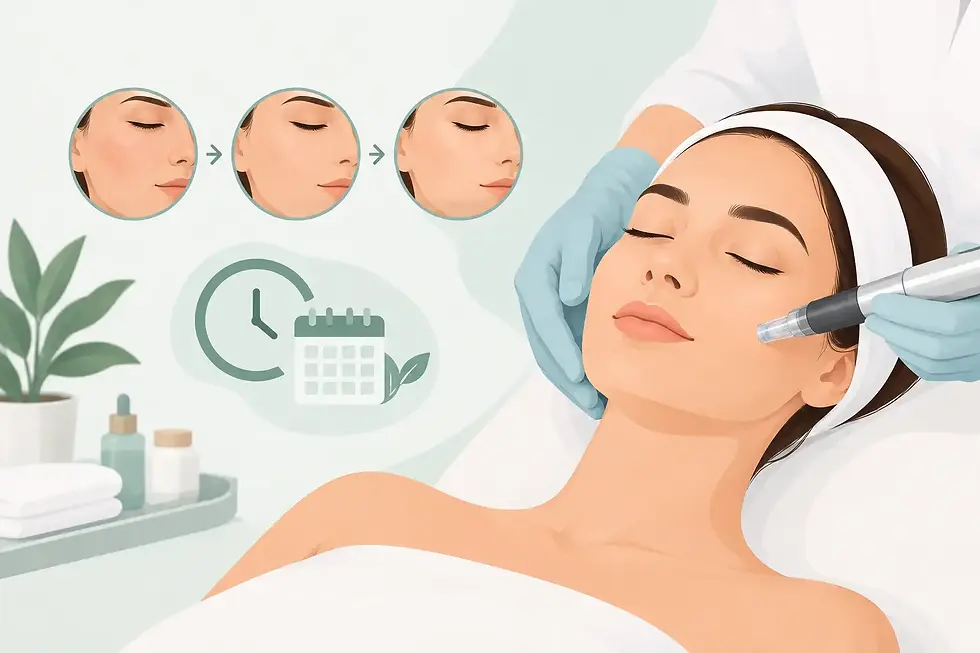
Corrective treatments can be an effective part of long-term skin progress, but aftercare is part of the treatment itself. Procedures such as microneedling and advanced enzyme therapy are designed with specific goals in mind, and the days that follow are not the time to experiment with new products or schedule additional aggressive services.
Your provider should give you clear, personalized instructions based on the treatment performed and your skin history. In many cases, aftercare involves keeping the skin clean, avoiding heat and heavy sweating for a designated period, using only approved products, and being diligent with sun protection. Avoid exfoliation, retinoids, and other active ingredients until your provider confirms it is appropriate to restart them.
The trade-off is patience. A treatment may create a short period of redness, dryness, or sensitivity before the longer-term benefits become visible. Trying to speed past that phase with strong exfoliation or too many soothing products can interrupt the process. Let the treatment pathway do its work.
Do not confuse discomfort with progress
There is a persistent idea that skincare must tingle, peel, or feel intense to be effective. In reality, healthy progress often looks quieter: fewer reactive days, better hydration, more even texture, and skin that returns to calm more easily.
Some treatments can create temporary, expected sensations or visible changes. But ongoing burning, swelling, severe itchiness, blisters, worsening rash, or pain are not signs to ignore. Stop using the suspected product and seek advice from a qualified medical professional. If you have signs of infection, such as spreading redness, warmth, pus, fever, or significant tenderness, prompt medical care is especially important.
People with eczema, rosacea, melasma, a history of cold sores, allergies, or prescription skincare should be particularly careful about self-directing treatment changes. These concerns do not prevent you from pursuing visible improvement. They simply make individualized planning more valuable.
Build a routine you can stay with
The most effective routine is usually not the longest one. It is the one you can follow consistently without turning skincare into a daily source of stress. Think in three phases: correct the concern with an intentional plan, maintain results through barrier care and protection, then elevate when your skin is stable enough for targeted treatments.
A professional consultation can help bring clarity to that sequence. At YNG Aesthetics Lounge, the focus is not on chasing a quick fix or selling a single appointment. It is on understanding your skin, your lifestyle, and the level of support that will help you move forward with confidence.
Your skin does not need punishment to change. Give it thoughtful care, allow it time, and let every step toward healing be a reminder that you are worth tending to.


Comments