

What DMK Therapy Can Do for Your Skin

A facial can feel lovely for an hour. DMK therapy is designed for a different kind of relationship with your skin: one that looks at how it is functioning, what may be disrupting its balance, and what consistent care can support over time. For clients who want visible refinement without immediately moving toward invasive procedures, that distinction matters.
DMK is often discussed for its signature enzyme treatment, but the experience is more comprehensive than a single mask. It is a professional skincare approach that may pair targeted exfoliation, hydration, supportive home care, and a thoughtfully paced treatment plan. The goal is not to chase a temporary glow at the expense of your skin barrier. It is to help your skin look clearer, calmer, firmer, and more even through intentional care.
What is DMK therapy?
DMK therapy is a professional, protocol-driven skincare system that uses customized treatments and products to address concerns such as congestion, dullness, uneven texture, visible signs of aging, dryness, and post-breakout discoloration. The best plan depends on your skin history, current sensitivity, lifestyle, and goals.
Its most recognizable service is DMK Enzyme Therapy. During this treatment, a technician applies a specialized enzyme masque that sets on the skin. As it dries, it can create a noticeable tightening or pulsating sensation. This is normal for many clients, though comfort should always be part of the conversation. Your provider should explain what you are feeling, check in regularly, and adjust the experience when needed.
DMK describes its enzyme formulations as supporting the skin's natural processes, including surface exfoliation and circulation. In a professional setting, it is more useful to think of the treatment as one piece of a larger corrective strategy. A single appointment can leave skin looking refreshed, but meaningful changes in chronic concerns usually require consistency, proper home care, and periodic reassessment.
What happens during a DMK Enzyme Therapy appointment?
Your appointment should begin before any product touches your face. A skilled provider asks about your concerns, current routine, allergies, medications, recent procedures, sun exposure, and whether your skin has been reactive. This is where a treatment becomes personal rather than generic.
After cleansing and preparing the skin, your provider may use selected products or exfoliating steps appropriate for your tolerance. The enzyme masque is then applied and left to set. Clients commonly describe a firm, active feeling as it dries. Once removed, the treatment may be followed by finishing products chosen for hydration, comfort, or other specific needs.
The immediate result can be a smoother feel, more polished texture, and a rested-looking complexion. Some people notice temporary redness, particularly if their skin is sensitive or if targeted corrective work was included. Your provider should tell you what is expected for your individual protocol and what would be a reason to call.
This is also a moment to set realistic expectations. Skin does not transform because it was treated once. If your concern involves recurring breakouts, pigmentation, persistent dehydration, or visible aging, results tend to come from a sequence of well-timed decisions, not an aggressive one-time reset.
Why the treatment plan matters as much as the facial
The right DMK therapy plan can fit into three simple phases: Correct, Maintain, and Elevate.
Corrective care focuses on the concern that is keeping your skin from feeling like itself. That might mean addressing congestion and uneven texture, supporting a compromised-looking complexion, or creating a more measured plan for discoloration. This phase may include a series of professional treatments and a simplified home routine that helps protect the progress between visits.
Maintenance is where many clients see the value of having a skin home. Once your skin is more stable, appointments can help preserve hydration, clarity, and refinement while your provider notices small shifts before they become larger frustrations. Seasonal weather, travel, stress, hormonal changes, and a new workout routine can all change how skin behaves.
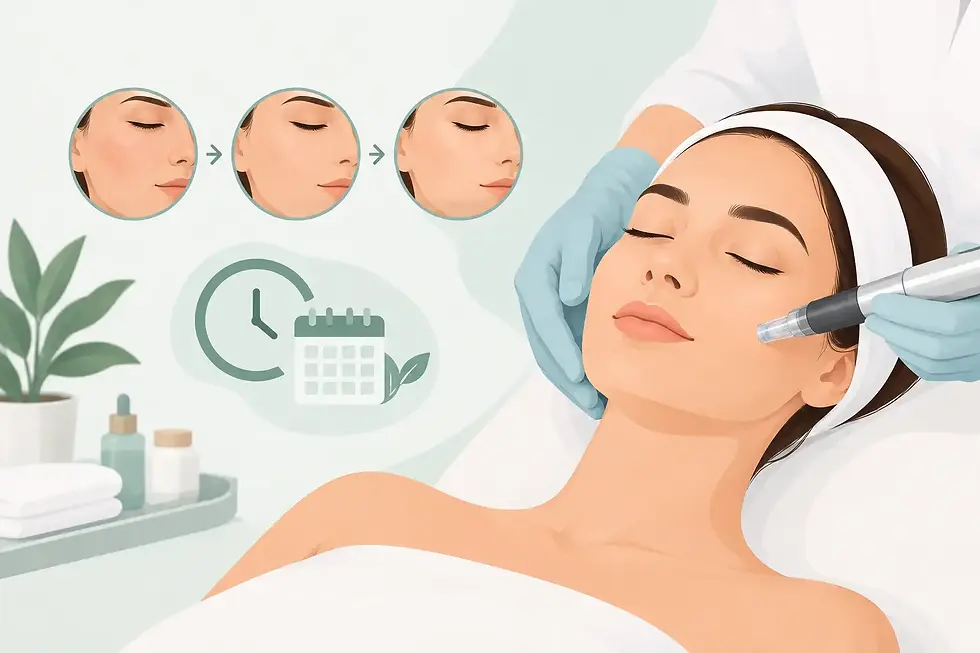
Elevate is not about finding flaws to fix. It is about choosing enhancements that align with your goals, whether that means pairing enzyme therapy with microneedling at the appropriate time, preparing for an event, or refining the look of your skin as part of an ongoing self-care rhythm. Not every client needs every modality. A responsible plan uses what serves you and leaves out what does not.
Who may benefit from DMK therapy?
DMK Enzyme Therapy may appeal to people who want professional support for skin that looks congested, rough, tired, dry, or uneven. It can also be a thoughtful option for someone who is new to advanced skincare and wants a guided starting point rather than an overwhelming shelf of products.
It can be especially valuable for clients who have been cycling through trends without a clear strategy. Strong acids, frequent exfoliation, and too many active ingredients can make skin feel unpredictable. Sometimes the most effective next step is not another intense product. It is a careful assessment and a routine your skin can realistically tolerate.
That said, DMK therapy is not automatically right for every person or every concern. Active skin infections, certain inflammatory flares, open lesions, recent procedures, allergies, pregnancy-related considerations, and the use of prescription medications can all affect timing and product selection. People with persistent acne, melasma, rosacea, eczema, or unexplained changes in their skin may also benefit from coordination with a board-certified dermatologist.
A treatment provider should never promise that one service will cure a medical skin condition. What they can do is help you understand the cosmetic options available, work within your skin's current tolerance, and refer you when medical evaluation is the better next step.
How to prepare for and care for your skin afterward
Preparation is usually simple, but it should be individualized. Avoid introducing new active products immediately before your visit, and be honest about retinoids, exfoliating acids, benzoyl peroxide, professional treatments, and medications you use. If you are unsure whether something matters, mention it. Details help your provider protect your skin.
Afterward, treat your complexion gently. Follow the products and instructions recommended for your protocol, use daily sunscreen, and resist the urge to test a new scrub or peel because your skin feels especially smooth. Your skin may be ready for a normal routine quickly, or it may need a brief period of extra restraint. The answer depends on what was done and how your skin responded.
At YNG Aesthetics Lounge, the conversation does not end when the appointment does. A thoughtful follow-up plan helps connect the treatment room to real life, where routines need to work through busy mornings, humid Florida days, travel, and everything else your week holds.
Choosing DMK therapy with confidence
A good consultation should leave you clearer, not pressured. Ask what concern the provider sees, why they recommend a particular protocol, how many sessions they anticipate, what home care supports the plan, and what results are realistic on your timeline. You deserve direct answers, including any trade-offs.
For example, a more corrective approach may require greater consistency with aftercare. A gentler approach may be more comfortable for sensitive skin but take longer to show visible change. If you are preparing for an important event, your provider may recommend a familiar maintenance treatment rather than experimenting with something new. Expert care is not about doing the most. It is about doing what makes sense for your skin, your schedule, and your comfort.
Your skin is not a project that needs constant fixing. It is part of how you move through the life you want to live. Start with a conversation, give the process room to work, and choose care that feels as supportive as it is effective.


Comments