
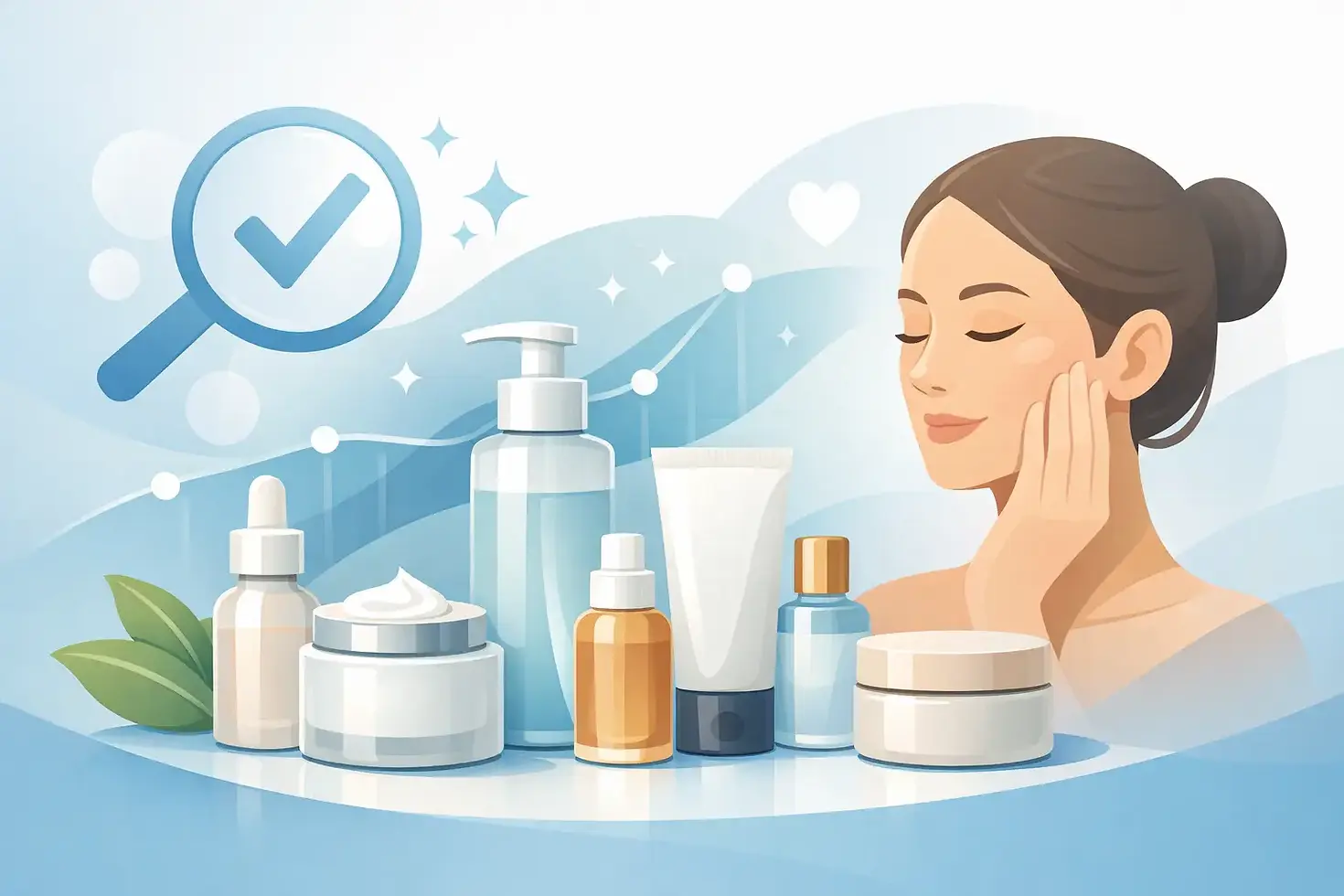
What Is the Best Rated Skin Care?

If you have ever stood in front of a bathroom mirror with a half-used serum in one hand and a glowing five-star review in the other, you already know the problem with asking what is the best rated skin care. Ratings feel decisive. Skin is not. The product everyone swears by may do very little for your skin, or worse, push it further from balance.
The better question is not which product has the most praise. It is which skin care is best rated for your skin condition, your tolerance, your lifestyle, and your long-term goals. That shift matters because healthy skin is rarely built by chasing whatever is trending. It is built through consistency, smart treatment choices, and a plan that respects how your skin actually functions.
What Is the Best Rated Skin Care for Real Results?
The short answer is this: the best rated skin care is the care that improves skin health over time, not just the care that photographs well on social media or gives a quick glow for a weekend. In practice, that usually means a routine or treatment plan built around a few essentials - cleansing that does not strip, hydration that supports the barrier, targeted correction for concerns like acne or pigmentation, and professional guidance when skin needs more than over-the-counter help.
A "best rated" cleanser for oily skin can leave dry or sensitive skin feeling tight and reactive. A popular retinol can be transformative for one person and too aggressive for another. Even professional treatments need context. Microneedling, enzyme therapy, exfoliation, and corrective facials can all be excellent, but the right choice depends on what your skin is asking for now and what it can realistically tolerate.
This is where many people get frustrated. They are not doing nothing. They are often doing too much, or doing the right thing at the wrong time.
Why ratings alone do not tell the full story
Online reviews are useful, but they flatten nuance. Most reviews do not tell you whether the person also changed three other products, whether they had a damaged skin barrier, whether they were using prescription care, or whether their "before" and "after" happened across six months of consistent treatment.
Skin care also gets rated for different reasons. Some products earn praise because they feel luxurious. Others because they are affordable. Others because they create an instant surface effect - smoother texture, temporary plumpness, a brighter finish. None of those things are bad. They are just not the same as long-term skin correction.
If your goal is calmer breakouts, stronger skin, improved tone, or better aging support, surface-level satisfaction is only part of the picture. The best skin care should help your skin function better, not just look better for a few hours.
What is the best rated skin care routine?
For most adults, the best rated skin care routine is surprisingly simple. It starts with a gentle cleanser, a moisturizer matched to your skin type, and daily sunscreen. Then it adds one or two targeted actives based on your main concern, such as acne, texture, fine lines, redness, or discoloration.
That may sound less exciting than a 10-step lineup, but skin usually responds well to calm, intentional care. Too many active products can trigger sensitivity, congestion, or inflammation, especially when layered without a clear reason.
A routine that deserves high marks typically does three things well. It protects the barrier, addresses a specific concern, and is realistic enough to follow consistently. If a routine is technically excellent but too complicated to maintain, it is not the best fit. Good skin care should support the life you want to live, not become another source of stress.
The ingredients that tend to earn their reputation
If you want to know what is the best rated skin care from an evidence-informed perspective, start with ingredient categories that have stood the test of time.
Sunscreen remains the most important daily product in any routine focused on long-term skin health. It helps defend against discoloration, premature aging, and cumulative damage. A beautifully formulated serum cannot outwork unprotected sun exposure.
Retinoids remain highly respected because they support cell turnover, improve texture, and help with visible aging and acne. They can also be irritating, especially if introduced too quickly. High ratings do not change that trade-off.
Vitamin C is widely loved for brightness and antioxidant support, but not every formula is stable or well tolerated. Niacinamide is often praised because it can help with oil balance, barrier support, and tone without being overly aggressive. Hyaluronic acid is popular for hydration, though it works best when paired with a well-formulated moisturizer rather than treated as a miracle on its own.
Exfoliating acids such as salicylic, glycolic, and lactic acid can be excellent tools, but only when used with restraint. More exfoliation does not always mean better skin. Sometimes the best thing you can do is step back and rebuild resilience.
Best rated skin care products versus professional treatments
There is a point where even excellent home care reaches its limit. If you are dealing with lingering acne, post-inflammatory marks, uneven texture, dullness, or skin that seems stuck despite your effort, professional treatment may be the missing piece.
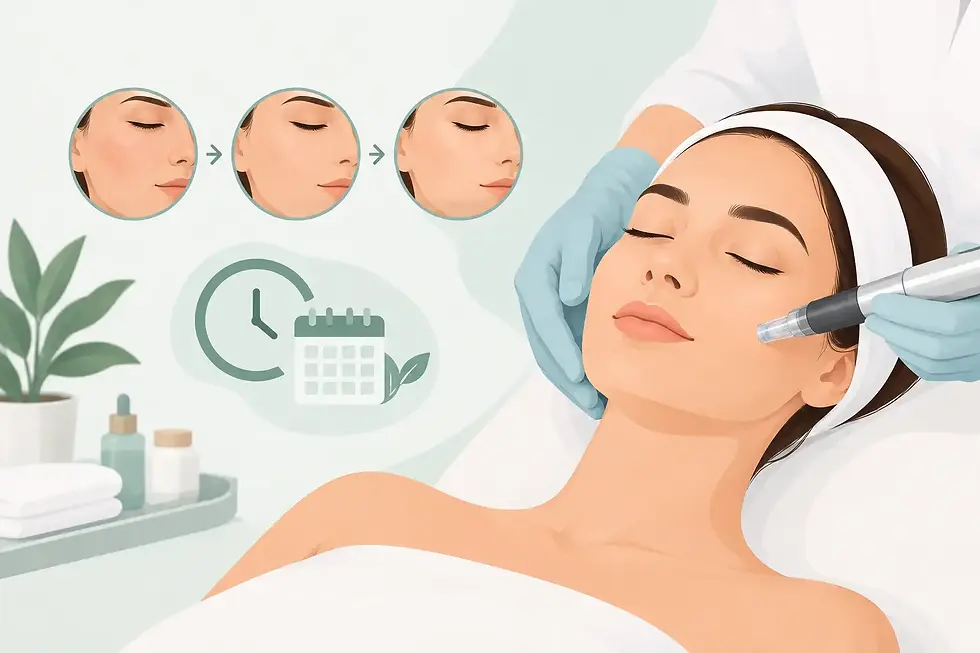
This does not mean jumping into the most aggressive option available. It means choosing care that is appropriate for your skin and timed well within a larger plan. Treatments like microneedling can support collagen remodeling and texture. Enzyme-based treatments can encourage circulation and skin function in a very different way than a surface peel. Corrective facials and layered treatment pathways can help bridge the gap between basic maintenance and meaningful change.
The most effective outcomes usually come from pairing professional treatment with disciplined home care. Products maintain what treatments initiate. Treatments accelerate what products alone may not fully accomplish. When those two pieces work together, skin tends to become more stable, more responsive, and more visibly healthy.
How to judge what is actually best for your skin
Instead of asking only whether something is top rated, ask a more useful set of questions. What is my primary concern? Is my skin sensitive, acne-prone, dry, reactive, or resilient? Am I trying to correct something, maintain progress, or elevate already healthy skin?
That simple framework can change everything. Correct means focusing on active concerns like breakouts, pigmentation, congestion, or texture. Maintain means protecting results and preserving barrier health. Elevate means refining, strengthening, and supporting skin that is already in a good place. Different phases call for different products and treatments.
You should also look at time horizon. Some of the best products feel ordinary at first because they work gradually and quietly. A product that causes immediate tingling or peeling is not automatically better. Skin does not need to be pushed hard to make progress.
Finally, consider who is guiding the process. Good skin care is not just product selection. It is pattern recognition. A trained provider can often see when your barrier is compromised, when your acne is inflammatory rather than congestive, or when your routine is fighting itself.
What the best rated skin care usually has in common
The highest quality skin care, whether at home or in clinic, tends to share a few traits. It is personalized. It is consistent. It respects the skin barrier. It avoids unnecessary extremes. And it is part of a plan rather than a collection of random favorites.
That is one reason many clients do better with ongoing support than with one-off appointments or impulse purchases. Skin responds to continuity. When your care is adjusted thoughtfully over time, you are less likely to overcorrect, stall out, or waste energy on products that were never right for you.
At a practice like YNG Aesthetics Lounge, that kind of continuity is part of the philosophy. The goal is not to hand you a trend and send you home. It is to start with a conversation, understand your skin, and build intentional treatment pathways that help you create results you can actually keep.
So, what is the best rated skin care?
The honest answer is that the best rated skin care is not a single brand, product, or treatment. It is skin care that matches your skin's needs, supports long-term function, and fits into a realistic plan you can sustain. Sometimes that looks like three excellent products. Sometimes it looks like a home routine plus guided professional treatments. Often, it looks simpler than people expect.
If your skin has been sending mixed signals, you do not need more noise. You need clarity. Start with a conversation, choose care that respects your skin instead of overwhelming it, and let progress build the way healthy skin usually does - steadily, intentionally, and with support.


Comments