

12 Questions Before Booking Microneedling

A microneedling appointment should feel like the next thoughtful step for your skin, not a rushed decision made after seeing a dramatic before-and-after photo. Asking the right questions before booking microneedling helps you understand whether the treatment fits your skin today, what results are realistic, and how to care for your complexion afterward.
Microneedling can be a valuable part of a corrective or maintenance-focused skincare plan. Still, the best outcomes come from the right timing, appropriate treatment depth, consistent aftercare, and a provider who sees more than a single concern on the surface.
Questions Before Booking Microneedling: Start With Your Skin
1. What concern am I trying to improve?
Microneedling is often chosen to support smoother texture, the appearance of fine lines, acne scarring, enlarged-looking pores, and overall skin quality. It works by creating controlled microchannels in the skin, which can stimulate the skin’s natural repair response.
But it is not a one-treatment answer for every concern. Deep scarring, active breakouts, significant pigmentation, laxity, or redness may need a different approach first - or a layered treatment plan. Be specific about what you see in the mirror and what you would like to change. A skilled provider can help separate what is realistic to improve from what may require another modality.
2. Is my skin calm enough for treatment right now?
Healthy progress does not always mean treating immediately. If your skin is inflamed, sunburned, peeling from active ingredients, experiencing a rosacea flare, or dealing with an active infection, microneedling may need to wait.
This is especially relevant in South Florida, where sun exposure can be part of daily life even when you are not intentionally tanning. Treatment on compromised or recently sun-exposed skin can increase irritation and complicate healing. Sometimes the most supportive plan begins by calming and strengthening the skin barrier before moving into correction.
3. Do I have a history that changes my candidacy?
Share your full skin and health history during your consultation. That includes a history of cold sores, keloid or raised scarring, melasma or post-inflammatory hyperpigmentation, autoimmune conditions, diabetes, recent surgery, pregnancy or breastfeeding, and any tendency to heal slowly.
Certain medications matter, too. Prescription acne treatments, blood thinners, immune-suppressing medications, and some topical products can affect timing, bruising, sensitivity, or healing. This does not automatically mean microneedling is off the table. It means your provider should make decisions with your safety, skin tone, and goals in mind.
Ask About the Treatment, Not Just the Device
4. Who will perform my microneedling treatment?
Credentials, training, and judgment matter as much as the treatment itself. Ask who will perform the service, how they assess skin, and how they determine the appropriate treatment settings.
Microneedling is not a one-depth-fits-all procedure. Different areas of the face have different skin thicknesses, and your treatment should account for your concern, comfort level, skin history, and recovery capacity. A thoughtful provider will explain their approach in language you understand rather than offering a vague promise of a “glow.”
5. How do you personalize needle depth and treatment intensity?
A deeper treatment is not always a better treatment. More intensity can mean more downtime and, for some clients, more risk of prolonged redness or unwanted pigment changes. The goal is an intentional treatment that challenges the skin appropriately without overwhelming it.
Ask how the provider adjusts treatment across areas such as the cheeks, forehead, upper lip, jawline, and neck. If acne scars are your primary concern, ask whether scar type and depth will affect the plan. Personalization is a sign that your provider is focused on your long-term skin health rather than moving everyone through the same appointment.
6. What products are used during and after the service?
The skin is more receptive immediately after microneedling, so product selection matters. Ask what is applied during treatment, whether products are sterile and appropriate for use with microneedling, and what you will use at home while your skin recovers.
This is also the time to ask which products you should pause. Retinoids, exfoliating acids, benzoyl peroxide, scrubs, and fragranced or active-heavy formulas may be unsuitable for a period before and after treatment. Your aftercare should be clear enough that you do not have to guess in front of your bathroom mirror.
7. What sanitation and safety protocols do you follow?
This question is simple, appropriate, and worth asking. A reputable practice should use a sterile, single-use needle cartridge and follow careful skin preparation and infection-control standards.
You should feel comfortable asking how equipment is handled and what steps are taken to protect your skin. Premium care includes transparency. Feeling cared for is not separate from clinical standards - it is built on them.
Set Expectations for Results and Recovery
8. What will my recovery actually look like?
Most people experience redness and sensitivity after microneedling, often similar to a mild-to-moderate sunburn. Some swelling, tightness, dryness, or light flaking can occur over the following days. Recovery varies with treatment intensity, individual skin sensitivity, and how closely aftercare instructions are followed.
Ask when you can wear makeup, exercise, use active skincare, swim, schedule a facial, or return to full sun exposure. If you have a wedding, photoshoot, vacation, or important work event coming up, plan generously. Your skin deserves room to recover rather than pressure to look perfect on a deadline.
9. How many sessions might I need?
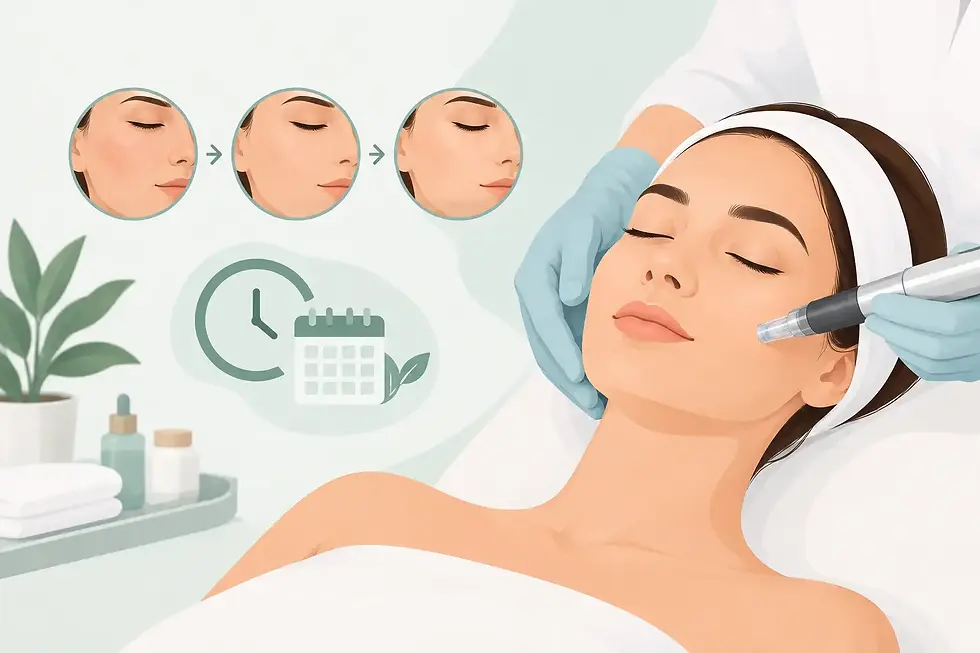
One session can leave skin looking refreshed, but structural changes such as improved texture or softened acne scars generally require consistency. Many clients benefit from a series spaced several weeks apart, followed by maintenance based on their goals and skin response.
Ask what progress may look like after one treatment versus three or more. Be cautious of anyone who guarantees a specific transformation. Your age, skin condition, lifestyle, sun habits, home care, and concern all influence the pace of visible change.
10. When should I expect to see results?
There can be an early post-treatment glow, but that is not the full result. The skin’s repair process unfolds gradually. Improvements in texture and overall quality may become more noticeable over several weeks, while concerns such as scarring can require more time and repeated sessions.
This slower timeline is not a drawback. It is part of why microneedling can fit into a sustainable approach to skin health. Rather than chasing a dramatic overnight shift, you are supporting changes that build with consistency.
Make Sure the Plan Works in Real Life
11. What do I need to do before my appointment?
Preparation protects your investment. Your provider may advise avoiding direct sun exposure, tanning, waxing, certain skincare actives, or other procedures for a set period before treatment. Depending on your health history, you may also need to discuss preventative medication for cold sores.
Be honest about your routine. If you use prescription products, attend fitness classes daily, spend time outdoors, or have a trip planned, say so. The right schedule should work with your life while still giving your skin the conditions it needs to heal well.
12. What is the plan after microneedling?
The most useful question may be what happens next. Will your provider check in after your appointment? Will they reassess your skin before the next session? Could another treatment, professional facial, or home-care adjustment better support your goal between appointments?
Microneedling works best when it is part of an intentional pathway: correct what is holding your skin back, maintain the progress you earn, then elevate when your skin is ready. At YNG Aesthetics Lounge, that perspective guides the conversation because your skin should support the life you want to live, not become another source of pressure.
A good consultation leaves you feeling informed, never pushed. Ask your questions, share your concerns, and choose a provider who listens closely enough to build a plan around your skin - not around a trend.


Comments