

Best Treatments for Skin Laxity That Fit You

Skin laxity can feel like a subtle shift at first: makeup settling differently around the cheeks, a softer jawline in photos, or skin on the neck and body that no longer feels as springy as it once did. The best treatments for skin laxity are not always the most aggressive ones. They are the treatments that match your skin’s condition, your goals, and the level of commitment that makes sense for your life.
At YNG Aesthetics Lounge, we approach laxity as a skin-health conversation, not a flaw to fix. Healthy-looking firmness is built through intentional care: supporting the skin barrier, encouraging renewal, protecting collagen, and choosing professional treatments with a realistic plan behind them.
Why Skin Starts to Feel Less Firm
Skin firmness relies on a supportive network of collagen and elastin. Collagen gives skin structure, while elastin helps it rebound after movement. Production of both naturally changes with age, but sun exposure, smoking, repeated weight changes, genetics, stress, and hormonal shifts can make that change more noticeable.
In South Florida, ultraviolet exposure deserves special attention. Even when the skin does not burn, accumulated sun exposure can contribute to collagen breakdown over time. That is why treating laxity without addressing daily sun protection often creates a frustrating cycle: you invest in progress, then lose ground through preventable damage.
Laxity also does not look the same on everyone. Some people notice crepiness around the eyes or chest. Others see a loss of definition through the lower face, neck, arms, abdomen, or knees. Dehydration, texture, volume loss, and pigmentation can make skin look looser than it truly is, which is one reason a thoughtful assessment matters before selecting a treatment.
The Best Treatments for Skin Laxity Depend on the Concern
There is no single treatment that tightens every area, at every stage, for every person. Noninvasive care can create meaningful improvement in early to moderate laxity, especially when treatments are performed as a series and supported by a consistent home routine. More advanced laxity, particularly when there is significant excess skin, may require a conversation with a qualified medical provider about surgical options.
For many clients, the most effective plan combines correction, maintenance, and elevation rather than relying on one appointment to do all the work.
Microneedling for Collagen Support
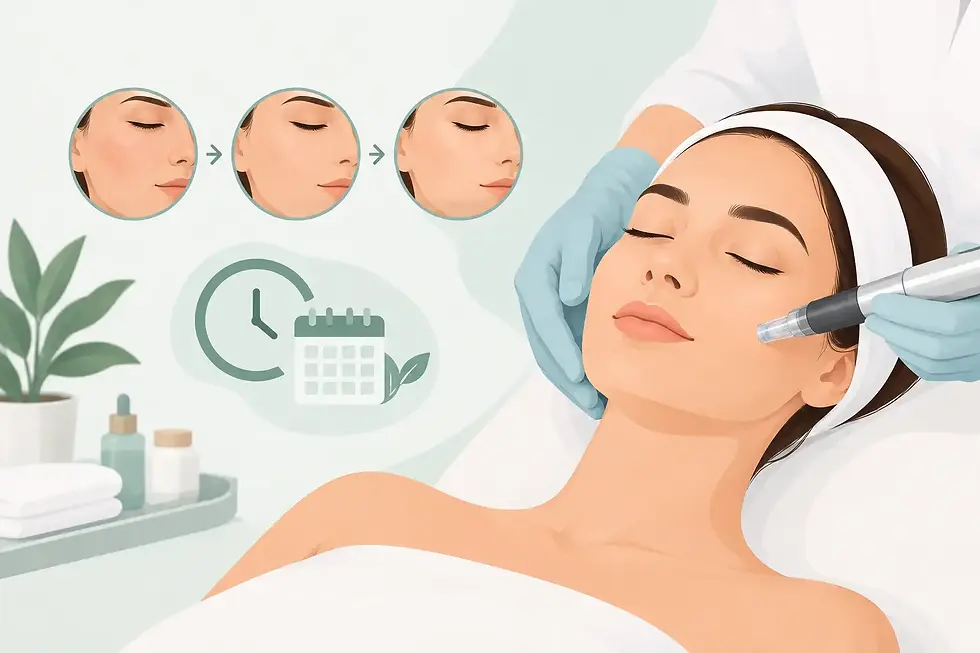
Microneedling uses controlled microchannels to signal the skin’s natural repair response. Over time, that process can support collagen production and improve the appearance of texture, fine lines, and mild laxity. It is often a strong choice for clients who want gradual, natural-looking refinement rather than a dramatically altered appearance.
Results are cumulative. A single treatment may leave skin looking fresher, but structural changes take time because collagen remodeling is not immediate. Many people benefit from a series, followed by maintenance sessions based on their skin goals and how their skin responds.
Microneedling is not a substitute for surgery when loose skin is substantial. It can, however, be a valuable part of a long-term plan for areas that need more resilience and smoother texture.
DMK Enzyme Therapy for Skin Function and Tone
When skin looks tired, congested, dull, or compromised, supporting function can be just as important as targeting firmness. DMK Enzyme Therapy is designed to work with the skin’s natural processes while promoting circulation and a more refined appearance. It can be especially useful when laxity is paired with dehydration, uneven texture, or a weakened barrier.
This treatment is not typically positioned as a standalone solution for significant loose skin. Its value is in helping create a healthier foundation. Skin that is balanced, hydrated, and functioning well is often better prepared to respond to corrective services and maintain the results you work for.
Professional Skin Treatments That Build Consistency
Layered professional skincare can help improve the concerns that make laxity more visible, including rough texture, dullness, dehydration, and uneven tone. The right treatment pathway may include exfoliation, corrective modalities, enzyme therapy, or targeted maintenance services selected for your skin’s current state.
The key is restraint and intention. Over-treating sensitized skin in pursuit of quick tightening can lead to irritation and disrupt the barrier, making the skin look less healthy. A good plan should respect recovery time and adjust as your skin changes.
Home Care That Protects Your Investment
Professional treatments do important work, but home care determines how well that work is supported between appointments. Daily broad-spectrum sunscreen is non-negotiable for anyone concerned with visible aging and laxity. Sun protection helps preserve collagen and prevents additional damage from working against your treatment plan.
A personalized routine may also include antioxidants, retinoid-based products when appropriate, peptides, hydrators, and barrier-supportive ingredients. The best routine is not necessarily the longest one. It is the one you can use consistently without triggering dryness, sensitivity, or confusion.
What Noninvasive Treatments Can and Cannot Do
Noninvasive skin treatments are appealing because they can improve quality, texture, and mild to moderate firmness with little to no downtime. They support a polished, refreshed look while allowing you to stay connected to your everyday life. For someone who wants skin that supports the life she wants to live, that balance can be deeply valuable.
Still, clear expectations matter. Noninvasive treatments do not remove excess skin or recreate the result of a surgical lift. They work gradually and tend to look most natural when paired with realistic goals. If your concern is primarily volume loss, a collagen-focused approach alone may not deliver the contour change you have in mind. If significant skin excess is present after major weight loss, a surgical consultation may be the more appropriate next step.
This is not a reason to feel discouraged. It is a reason to choose care based on what will genuinely serve you, rather than being persuaded by a one-size-fits-all promise.
A Better Way to Plan for Firmer-Looking Skin
A personalized approach begins by looking beyond the word “tightening.” During a skin consultation, the conversation should include where you see laxity, how long it has been present, your sun exposure, your current routine, your sensitivity level, and whether you are more concerned with texture, contour, or overall vitality.
From there, a structured pathway may look like this: first correct any barrier disruption, dehydration, congestion, or uneven texture that is affecting skin quality. Then introduce collagen-supportive services at a pace your skin can tolerate. Finally, maintain progress with professional care and home products that preserve the improvements you have built.
This approach takes patience, but it prevents the cycle of chasing a dramatic fix, abandoning the plan, and starting over months later. Consistency is not a lesser option. It is often the reason results become visible, reliable, and easier to maintain.
When to Start Treatment
The best time to address early laxity is often before it feels severe. Supporting collagen and skin quality earlier can help you maintain a more resilient appearance over time. That does not mean everyone needs intensive treatments in their twenties or thirties. It means your plan should evolve with your skin, your goals, and your season of life.
If you have active irritation, a compromised barrier, certain skin conditions, or a history of post-inflammatory hyperpigmentation, treatment selection should be especially careful. Your provider may recommend preparation before more corrective services. This is evidence-informed care in practice: not rushing past what your skin needs in order to get to what you want.
The most reassuring place to begin is with a conversation. You do not need to arrive knowing which treatment to ask for. Bring the concern, the goals, and the questions you have been carrying. With the right guidance and steady care, firmer-looking skin can be part of a plan that feels supportive, realistic, and entirely your own.


Comments