
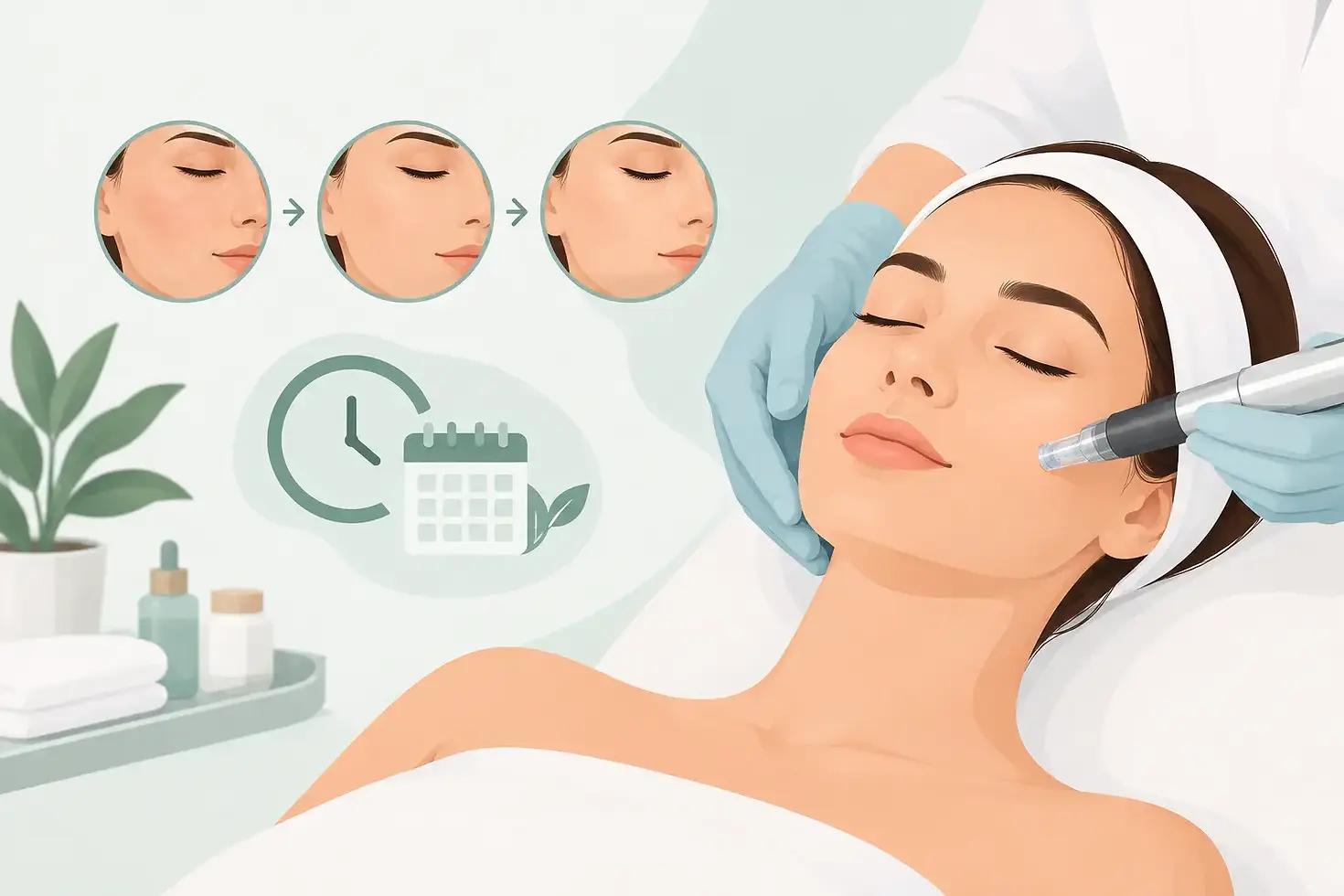
Does Microneedling Require Downtime? What to Expect

A treatment that supports collagen does not have to put your life on hold. Still, if you are asking, “does microneedling require downtime,” the honest answer is: a little, depending on your skin, your treatment plan, and what you need to do afterward. Most clients can return to normal routines quickly, but your skin will need a brief window of gentler care.
Microneedling is often described as having minimal downtime, which is true compared with more aggressive resurfacing treatments. Minimal does not mean invisible. Planning for a few days of visible redness and thoughtful aftercare helps you protect your results while giving your skin the respect it deserves.
Does Microneedling Require Downtime?
Traditional professional microneedling creates controlled microchannels in the skin with very fine needles. This process signals the skin’s natural repair response and can support collagen production, smoother texture, and a more even-looking complexion over time. Because the treatment intentionally stimulates repair, temporary redness, warmth, and sensitivity are expected.
For many people, the most noticeable recovery happens in the first 24 to 48 hours. Skin may look pink to red, similar to a moderate sunburn, and feel warm, tight, or slightly tender. Some clients experience mild swelling, especially around the eyes or in areas that are naturally more reactive.
By day two or three, redness typically fades into a softer pink tone. Dryness, tightness, or light flaking can follow as the skin settles. Many clients feel comfortable being seen socially within one to three days, though that timeline is not a promise. A deeper treatment, a sensitive skin barrier, active acne, rosacea-prone skin, or a tendency toward post-inflammatory discoloration may call for more recovery time and a more conservative approach.
The key distinction is between medical downtime and social downtime. You may not need to stay home or take time away from work, but you may prefer not to schedule an important event, photoshoot, or presentation for the next day. If you want your skin to look polished for a wedding, vacation, or major occasion, it is wise to schedule microneedling at least one to two weeks ahead.
What Your Microneedling Recovery May Look Like
Every skin response is personal, but recovery often follows a familiar pattern. Immediately after treatment, skin can appear red and feel warm. There may be tiny areas of pinpoint bleeding during the service, which a trained provider addresses as part of treatment. That early redness is usually the most visible phase.
During the first night, your skin may feel dry, warm, or a little tight. The following morning, some clients notice mild swelling or sensitivity. By the second or third day, the surface usually looks calmer, although slight roughness or flaking can appear. The goal is not to rush that process. It is to support the skin barrier while the skin does what it is designed to do.
A careful provider adjusts needle depth, treatment intensity, and accompanying products to your concerns and your current skin condition. That matters. Microneedling for early texture concerns may look very different from a corrective treatment plan for acne scarring, and both should be approached with an understanding of your skin’s tolerance.
When downtime can be more noticeable
Some factors can make recovery more visible or extend it beyond the usual few days. Higher-intensity treatments, larger treatment areas, a compromised barrier, and sun exposure before or after an appointment can all affect how skin responds. So can certain medications and topical products.
Radiofrequency microneedling may also involve a different recovery experience than traditional microneedling because it combines needles with heat energy. It can be an excellent option for the right concern, but it should not be treated as interchangeable with every microneedling service. Your provider should explain the expected recovery for the specific treatment being recommended.
If you have a history of cold sores, melasma, keloid scarring, persistent inflammatory acne, eczema flares, or are pregnant or breastfeeding, start with a conversation rather than assuming microneedling is appropriate right now. A qualified provider can help determine whether to proceed, modify the plan, or choose a treatment that better supports your skin at this stage.
How to Plan for a Smooth Recovery
The best microneedling aftercare is simple and intentional. For the first day, let skin stay clean, calm, and protected. Use only the post-treatment products your provider recommends, since freshly treated skin can be more receptive and more reactive than usual.
Avoid makeup for at least 24 hours, or longer if your provider advises it. Makeup brushes, sponges, and formulas can introduce irritation when the skin is still settling. Skip workouts, saunas, steam rooms, swimming pools, and hot showers for the first 24 to 48 hours as well. Heat, sweat, chlorine, and friction can all make irritation more likely.
For several days, pause exfoliating acids, retinoids, scrubs, benzoyl peroxide, and other active products unless your provider specifically tells you otherwise. This is not the time to test a new serum or chase an immediate glow with extra exfoliation. Gentle cleansing, hydration, and barrier support are usually the more thoughtful choice.
Sun protection is nonnegotiable. Newly treated skin is more vulnerable to UV exposure, and unprotected sun can increase redness and the risk of uneven pigmentation. Wear a broad-spectrum sunscreen as directed, limit direct sun when possible, and consider a hat if you will be outdoors in the West Palm Beach area. That small act of consistency protects both your comfort now and the clarity you are working toward.
Is Microneedling Worth the Short Recovery?
For many clients, yes, because microneedling is not about a dramatic overnight change. It is a long-term skin health treatment that can support gradual improvement in texture, the appearance of fine lines, acne scars, and overall radiance. The trade-off is a brief period when your skin looks like it has been treated because it has.
Results also depend on consistency. Collagen remodeling takes time, and concerns such as scarring or uneven texture rarely respond fully to one appointment. A structured pathway may include a series of treatments spaced appropriately, paired with home care and maintenance once progress has been established. This Correct, Maintain, and Elevate mindset helps move skincare away from quick fixes and toward sustainable change.
At YNG Aesthetics Lounge, treatment planning begins with what your skin is communicating now, not with a one-size-fits-all protocol. For some people, microneedling is a clear next step. For others, building barrier health first or choosing a different corrective service may be the more supportive decision.
When to Contact Your Provider
Mild redness, dryness, and sensitivity are common. Increasing pain, significant swelling, blistering, drainage, a rash, or redness that worsens rather than improves should be addressed promptly with your provider. Do not try to treat an unusual reaction with strong products at home.
You should also reach out before your appointment if you have recently had a skin infection, active breakout, sunburn, or changes to medications. Rescheduling can feel inconvenient, but protecting your skin is always more valuable than forcing a treatment date.
Microneedling recovery is short for most people, but it is still real. Give your calendar a little breathing room, follow your personalized aftercare, and let the treatment be part of a plan for skin that supports the life you want to live.



Comments