

Microneedling Treatment Review and What to Expect

A useful microneedling treatment review should tell you more than whether someone liked their glow the next morning. The real question is whether this treatment fits your skin, your goals, and the kind of consistent care that creates meaningful change over time. For concerns like acne scarring, uneven texture, enlarged-looking pores, fine lines, or a complexion that has lost some of its resilience, microneedling can be a thoughtful option. It is not instant skin perfection, and that is part of what makes an honest review valuable.
What Microneedling Actually Does
Microneedling uses a professional device with very fine, sterile needles to create controlled microchannels in the skin. This process encourages the skin's natural repair response, including collagen and elastin production. Those proteins help support skin that feels firmer, smoother, and more even over time.
The treatment is often described as collagen induction therapy, but the experience is more intentional than the name suggests. Needle depth, treatment areas, skin preparation, topical products, and post-treatment guidance should all be selected with your skin's current condition in mind. A person with active inflammation, a compromised barrier, or certain medical considerations may need a different approach first.
At YNG Aesthetics Lounge, this is why microneedling is best viewed as part of a treatment pathway rather than a one-time appointment. Sometimes the first step is correcting irritation, congestion, or dehydration so the skin is prepared to respond well. Then microneedling can support a focused correction phase, followed by maintenance that protects your progress.
Microneedling Treatment Review: The Honest Experience
Most clients are surprised by one thing: professional microneedling is more manageable than they expected. A topical numbing cream is generally applied before treatment, which greatly reduces discomfort. You may still feel pressure, vibration, or a light scratching sensation in more sensitive areas, especially around the forehead, upper lip, and nose. It should not feel like something you have to simply endure.
Immediately afterward, the skin often looks pink to red, similar to a moderate sunburn. Some people feel warmth or tightness for the rest of the day. By the next day, redness is commonly reduced, though it varies by skin tone, treatment intensity, and individual sensitivity. Mild dryness, flaking, or a sandpaper-like texture can appear over the following few days as the skin moves through its renewal process.
That short recovery window is a trade-off worth considering. Microneedling is non-invasive, but it is not a lunchtime treatment for everyone. If you have a major event, photoshoot, beach weekend, or outdoor plan coming up, give your skin enough space to recover. In sunny South Florida, being diligent with sun avoidance and mineral sunscreen after treatment is especially essential.
When You May See Results
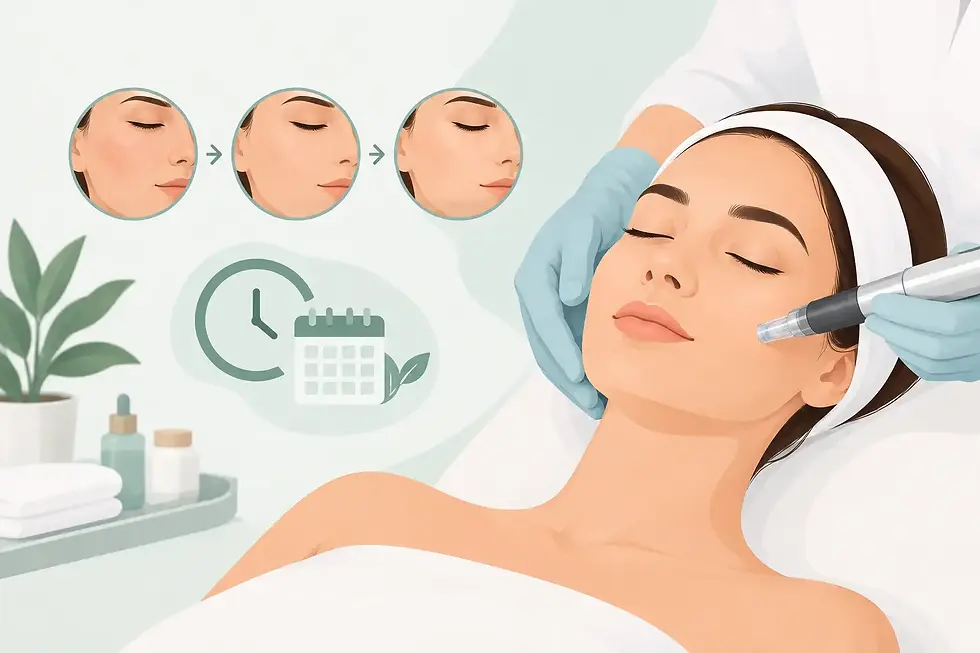
Some people notice a fresh, hydrated appearance within the first week, often called a post-treatment glow. That can be encouraging, but it is not the full result. Collagen remodeling takes time. More visible improvements in texture, fine lines, and the look of scars tend to develop gradually over several weeks.
For a single treatment, the change may be subtle. For concerns such as deeper acne scarring or more established textural changes, a series is usually more realistic. Many clients benefit from three to six treatments spaced several weeks apart, but the right schedule depends on the concern being treated, your skin's tolerance, and the rest of your skincare plan.
This is where expectations matter. Microneedling can soften the appearance of scars and lines, improve radiance, and help skin look more refined. It cannot erase every scar, replace a facelift, or make skin immune to aging. The strongest results come from choosing treatments that respect your skin rather than pushing it into constant irritation.
Who May Be a Good Candidate
Microneedling can be a strong option for adults looking to improve texture and support healthy collagen without injectables or surgery. It is commonly considered for mild to moderate acne scarring, early signs of aging, uneven tone, enlarged-looking pores, and skin that feels dull or less supple than it used to.
Still, not every concern should be treated with microneedling right away. Active acne, eczema flares, open lesions, sunburn, infection, a history of abnormal scarring, and certain medications can change the recommendation. Melasma also deserves a careful, individualized conversation. While some people with pigmentation concerns can benefit from microneedling, too much inflammation or an overly aggressive treatment can make discoloration more difficult to manage.
A qualified provider should ask about your health history, current skincare, prior procedures, sun exposure, and what you want to change. The best plan may involve microneedling, another corrective treatment, home care adjustments, or a combination completed gradually. Starting with a conversation is not a delay. It is the part that helps protect your skin and your investment.
The Aftercare That Makes a Difference
The first few days after microneedling are about calm, clean support. Your provider may recommend gentle cleansing, hydrating products, and a barrier-supportive moisturizer. Avoid makeup for the period your provider advises, and skip exfoliants, retinoids, acids, scrubs, and other potentially irritating products until your skin is ready.
Heat and sweat deserve attention, too. For a short period after treatment, avoid intense exercise, saunas, hot yoga, and swimming pools. Freshly treated skin is more vulnerable to irritation and exposure. Do not pick at flaking skin, even if it is tempting. Letting the skin shed naturally helps preserve a smooth healing process.
Sun protection is non-negotiable. Wear a broad-spectrum sunscreen every day, limit direct exposure, and consider a hat when you are outside. Microneedling asks the skin to do meaningful repair work. Protecting it from ultraviolet damage gives that work a better chance to show.
Is It Worth the Investment?
Microneedling is worth considering when your goal is gradual, visible improvement and you are willing to participate in the process. It tends to be less satisfying for someone who wants dramatic overnight change or plans to treat their skin inconsistently between appointments. Professional treatments can create an important stimulus, but your home routine, sun habits, and follow-up schedule all shape the outcome.
The cost can vary based on the provider, treatment area, technique, add-ons, and whether a series is recommended. Rather than comparing only the price of one appointment, ask what is included in the plan: consultation, numbing, post-care guidance, follow-up, and recommendations that are appropriate for your skin. A lower price is not necessarily better value if the treatment is rushed or not tailored to your needs.
For clients near Lake Park and West Palm Beach, a relationship-based clinic can make this process feel less overwhelming. Your skin changes with seasons, stress, hormones, travel, and life. Having an experienced team that can adjust the plan is often more valuable than chasing a new procedure every few months.
A Better Standard for Your Skin
A good microneedling treatment is not defined by how red you get or how intense the appointment feels. It is defined by whether the treatment is appropriate, performed thoughtfully, and supported with a plan that honors your skin's ability to heal. When care is paced well, microneedling can be a meaningful part of building skin that supports the life you want to live.
If you are curious, let your next step be a clear conversation about your concerns, your timeline, and what sustainable progress could look like for you. Your skin deserves guidance that feels both clinically informed and genuinely caring.


Comments