

Professional Skincare vs Homecare: What Works?

A glowing treatment-day result can feel like a fresh start, but your skin does not live in the treatment room. It lives through Florida heat, sunscreen reapplications, makeup, stress, sleep changes, and the products you use every morning and night. That is why professional skincare vs homecare is not really a contest. For most skin goals, the strongest results come from knowing what each one can do and allowing them to work together.
Professional care can create meaningful change with expertise, advanced modalities, and a plan tailored to your skin. Homecare protects that investment between appointments. Neither needs to be extreme to be effective. The right approach is the one your skin can tolerate, sustain, and benefit from over time.
Professional Skincare vs Homecare: The Real Difference
Homecare is the daily foundation. Cleansing, moisturizing, wearing broad-spectrum SPF, and using the right targeted products help support the skin barrier and address concerns gradually. A thoughtful routine can improve hydration, texture, clarity, and the overall look of the skin. It also gives your skin the consistent support it needs to respond well to professional treatments.
Professional skincare brings assessment and correction into the picture. A trained provider can look beyond a single concern and consider your skin’s condition, sensitivity, history, lifestyle, and goals. They can determine whether congestion, uneven tone, inflammation, dullness, or early signs of aging call for a gentler approach, a corrective series, or simply better maintenance.
The difference is not that professional treatments are “better” and homecare is secondary. They serve different roles. Treatments can create a more concentrated opportunity for change. Homecare helps maintain that progress and keeps the skin supported through its normal daily demands.
For example, someone hoping to improve the appearance of acne marks may benefit from an intentional treatment pathway such as microneedling when appropriate. But if they return to harsh scrubs, skip sunscreen, or use products that irritate their skin afterward, the path can become slower and less predictable. Conversely, a well-chosen serum may improve the look of discoloration over time, but it may not deliver the same level of correction as a professionally guided series for deeper, more established concerns.
What Professional Treatments Can Offer
Professional treatments are especially valuable when you feel stuck, uncertain, or ready for more visible correction. This is not about chasing perfection. It is about getting a clear plan instead of collecting products and hoping something works.
A professional consultation can help identify patterns that are difficult to assess from a mirror or social media advice alone. Skin that looks oily may actually be dehydrated. Persistent breakouts may be worsened by an overactive routine. Flaking may signal a compromised barrier rather than a need for stronger exfoliation. Good care begins with listening, observing, and asking the right questions.
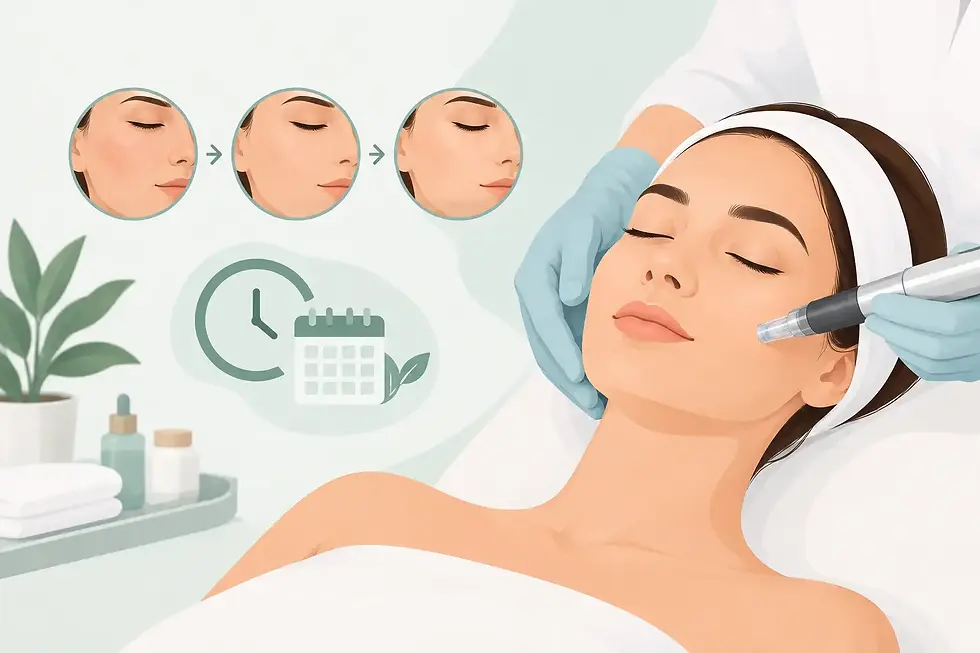
In a clinical setting, treatments can be selected and layered with purpose. Enzyme therapy, for instance, may support circulation and skin function while helping create a refreshed, healthier-looking complexion. Microneedling may be considered for clients working on texture, the appearance of scars, or signs of aging. The appropriate timing, treatment intensity, and aftercare matter just as much as the service itself.
Professional care also provides accountability. Skin changes slowly, and it is easy to abandon a routine too soon or change everything at once after a breakout. Consistent follow-up gives you a chance to adjust based on what your skin is actually doing, not what an online trend says it should do.
When a Treatment Plan Makes Sense
Professional support may be worth prioritizing if you have ongoing acne, noticeable texture changes, stubborn pigmentation, concerns about sensitivity, or a major event that has you wanting a refined, healthy-looking complexion. It can also make sense if you are new to skincare and do not know where to start.
A treatment plan does not have to mean frequent, aggressive appointments. Sometimes the best recommendation is to strengthen the barrier, simplify the routine, and reassess in a few weeks. Evidence-informed care leaves room for patience. Your skin deserves a strategy, not pressure.
What Homecare Does Between Appointments
Think of homecare as the habits that make professional care last. The most effective routine is rarely the longest one. It is the one you will use consistently and that your skin can comfortably handle.
At minimum, a balanced routine often includes a cleanser suited to your skin, a moisturizer that supports your barrier, and daily sunscreen. In West Palm Beach, sun protection is not an occasional product. It is part of long-term skin maintenance, especially if you are addressing uneven tone, post-breakout marks, or early signs of sun damage.
Targeted products can add value when they have a clear role. A retinoid may support smoother-looking skin and cellular turnover. Antioxidants can complement sun protection. Ingredients that hydrate and soothe can be helpful when the barrier feels reactive. The key is not to introduce every active ingredient at once. More products can create more irritation, and irritation can look like the very concern you are trying to correct.
Homecare also matters after professional services. Your provider may recommend avoiding certain active ingredients for a period, focusing on hydration, or being especially diligent with sunscreen. These details protect the work you have done and help your skin recover well.
Consistency Is More Valuable Than a Perfect Shelf
A bathroom counter full of expensive products is not a treatment plan. If you are using six steps one week and nothing the next, your skin receives mixed signals. A simpler routine used faithfully can deliver more dependable progress.
This is particularly true for sensitive or healing skin. Skin health is often built through calm, steady support: cleansing without stripping, moisturizing before tightness becomes irritation, and giving corrective products enough time to work. Results are cumulative, and so is inflammation.
How to Decide Where to Put Your Budget
If your budget asks you to choose between professional skincare and homecare, begin with your current concern and your starting point. Someone with generally healthy skin who wants to maintain a polished appearance may get excellent value from a thoughtful home routine paired with occasional professional maintenance. Someone managing deeper concerns may benefit more from a consultation and focused treatment plan, even if their home routine stays intentionally simple at first.
Avoid the all-or-nothing mindset. You do not need monthly treatments forever to care for your skin well, and you do not need to solve every concern with a product. A good provider will help you understand the pace and investment that make sense for your goals.
Membership-based care can be helpful for clients who value continuity, because it creates a rhythm for reassessment and maintenance rather than waiting until a concern feels urgent. Still, membership should feel supportive, not obligatory. The best cadence is one that fits your skin, schedule, and comfort level.
A More Sustainable Way to Care for Your Skin
The goal is not to have a routine that looks impressive. It is to have skin that supports the life you want to live: comfortable enough to go makeup-free when you choose, resilient enough to recover, and cared for in a way that feels grounding rather than overwhelming.
At YNG Aesthetics Lounge, that begins with a conversation about what your skin has been through and where you want to go next. Professional care can help correct and elevate. Homecare can maintain and protect. Together, they make room for progress that feels visible, personal, and sustainable.
If you are unsure which side to prioritize, start by noticing what your skin is asking for. Persistent frustration, changing concerns, or confusion around products are all reasonable reasons to seek guidance. You do not have to figure it out alone, and you do not have to rush the process to make meaningful change.


Comments