

What Skin Treatments Make You Look Younger?

Some treatments make skin look smoother for a week. Others help skin behave younger over time. If you are asking what skin treatments make you look younger, the most honest answer is this: the right treatment depends on whether your skin needs repair, stimulation, resurfacing, or consistent maintenance.
That distinction matters. Looking younger is rarely about chasing one dramatic appointment. More often, it comes from improving the qualities people read as youthful - even tone, healthy bounce, refined texture, hydration, and a rested glow. When treatment plans are built around those markers, results tend to look natural rather than obvious.
What skin treatments make you look younger in a natural way?
The most natural-looking rejuvenation usually comes from treatments that support skin function instead of simply creating temporary tightness or surface polish. In practice, that often means combining corrective treatments with maintenance. Skin can look younger when circulation improves, collagen is stimulated, dead skin buildup is addressed, and the barrier is kept strong enough to hold hydration and recover well.
This is why one person glows after microneedling, while another needs enzyme therapy or a gentler series first. If the skin is inflamed, dehydrated, congested, or reactive, jumping straight into an aggressive treatment can backfire. Younger-looking skin is healthy skin first.
The treatments that usually make the biggest difference
Microneedling for texture, firmness, and soft lines
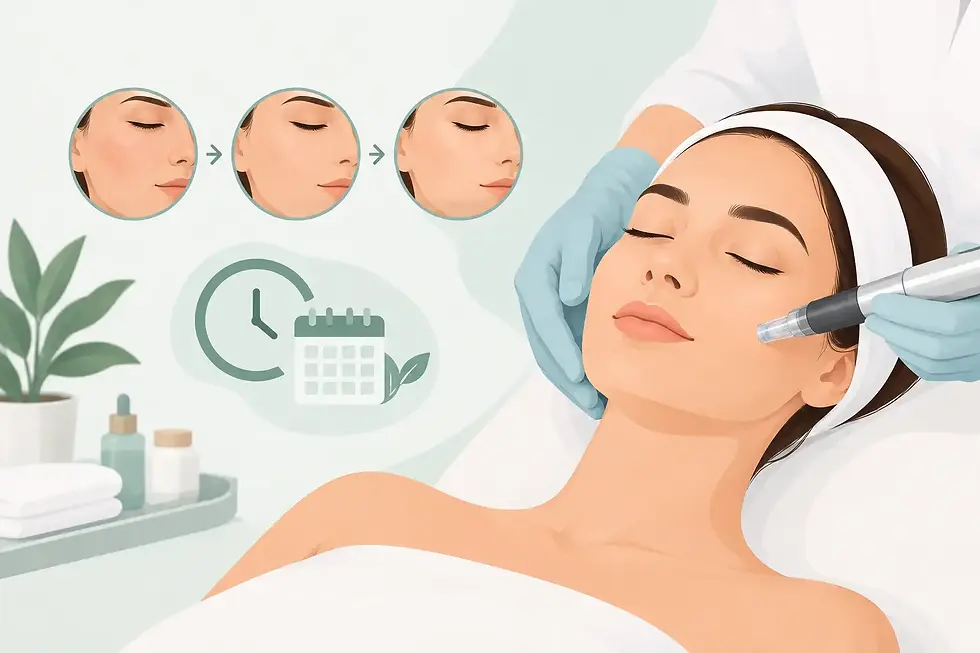
Microneedling is one of the most reliable non-invasive treatments for skin that is starting to lose smoothness and elasticity. By creating controlled micro-injuries in the skin, it encourages the repair response that supports collagen production. Over a series of sessions, this can soften the look of fine lines, improve acne scarring, refine texture, and give skin a firmer feel.
It is especially helpful for clients who say their skin looks tired, crepey, or less polished than it used to. The result is not the frozen or overfilled look many people worry about. It is usually a fresher version of your own skin.
That said, microneedling is not a one-size-fits-all answer. If your barrier is compromised or your skin is actively inflamed, it may not be the best first step. Timing, depth, frequency, and aftercare all matter.
Enzyme therapy for circulation, function, and skin vitality
When skin looks dull, sluggish, or uneven, enzyme-based treatments can be surprisingly powerful. DMK Enzyme Therapy is often chosen for clients who want their skin to look healthier, stronger, and more vibrant rather than simply exfoliated. It works differently from a quick glow facial. The goal is to support skin function, encourage circulation, and help the skin operate more efficiently.
That matters because youthful skin is not just smooth. It has vitality. It flushes well, heals better, and carries light differently. Treatments that support those foundational functions can create a very believable rejuvenated look, especially for clients who want long-term progress.
For some people, this is the kind of treatment that helps their skin look more alive before they move into stronger corrective work.
Chemical peels for tone, discoloration, and dullness
Uneven pigmentation can add years to the face faster than a few fine lines. Sun damage, post-inflammatory marks, and rough buildup often make skin look older because they reduce brightness and clarity. A well-chosen chemical peel can help by loosening damaged surface cells and encouraging more even renewal.
Peels vary widely. A light peel may refresh the skin with minimal downtime, while a stronger peel can target more visible discoloration and texture issues. The right option depends on skin tone, sensitivity, the time of year, and how your skin has been prepped.
This is where professional guidance matters. More aggressive is not always better, especially in sunny climates like South Florida where heat and UV exposure can complicate recovery.
Hydrating and barrier-supportive facials for immediate freshness
Not every anti-aging treatment needs to be intense. If skin is dehydrated, irritated, or depleted, a treatment focused on calming inflammation and restoring hydration can make you look younger quickly. Fine lines often look deeper when the skin barrier is dry or stressed. Once hydration improves, the face can appear softer, smoother, and more rested.
These treatments are often underestimated because they feel gentle. But when done consistently, they support every other service you do. Healthy skin responds better, recovers faster, and holds results longer.
LED and supportive therapies for recovery and maintenance
Light-based supportive treatments, especially LED, are often used alongside more corrective services. On their own, they may not create a dramatic transformation. But they can help calm inflammation, support healing, and maintain skin quality between larger treatments.
This is part of the reason younger-looking skin usually comes from a treatment pathway, not a single service menu choice. Small supportive decisions add up.
What makes skin look younger besides collagen?
Collagen gets most of the attention, but it is not the only factor. Skin also reads younger when the surface is smoother, pores look more refined, redness is controlled, and the face has a balanced reflectivity instead of looking flat or dry. Even subtle lifting can come from better hydration and improved skin density, not just tightening.
There is also the question of inflammation. Chronically irritated skin often looks older because it appears uneven, reactive, and tired. If your skin is constantly red, breaking out, or struggling to tolerate products, the most age-supportive move may be calming it down before doing anything corrective.
That can feel less exciting than booking the strongest treatment available, but it is often the wiser path.
How to choose what skin treatments make you look younger
Start with the concern you notice most in the mirror. If your main issue is rough texture or acne scarring, microneedling may be more useful than a basic facial. If the issue is blotchiness or sun damage, peels or pigment-focused treatments may make a bigger visible difference. If your skin looks tired, thin, and stressed, restorative treatments may need to come first.
Then consider your lifestyle. Downtime tolerance matters. So does sun exposure, especially if you live an outdoor, beach-adjacent life in the West Palm Beach area. A treatment is only a good choice if you can protect your skin properly afterward and stay consistent with aftercare.
The best plan is usually layered. Correct what is getting in the way. Maintain what improves. Elevate once the skin is ready. That approach tends to create results that look polished, healthy, and believable.
Why consistency matters more than chasing the newest treatment
Many people get frustrated because they keep trying one-off services and never feel like their results last. That is not always a problem with the treatment itself. Often, it is a continuity problem. Skin changes gradually, and the things that age it - sun, stress, dehydration, inflammation, and time - keep happening.
That is why ongoing care tends to outperform random appointments. A thoughtful provider looks at where your skin is now, what it can tolerate, and what sequence makes sense. Sometimes that means starting slower than expected. But skin usually rewards patience.
This is also why membership-based care can be so effective for the right client. It creates a rhythm of maintenance instead of a cycle of neglect followed by overcorrection. At YNG Aesthetics Lounge, that kind of guided consistency is part of how clients build skin that supports the life they want to live, not just skin that looks good for an event.
The trade-offs to keep in mind
Every treatment has a trade-off. Microneedling may involve a few days of redness. Peels can improve clarity but require careful post-treatment sun protection. Enzyme therapy supports function beautifully, but the best results often come through a series rather than one session. Gentle hydrating treatments feel easy, though they may not correct deeper texture concerns on their own.
The real question is not which treatment is best in general. It is which treatment makes sense for your skin now and fits your goals, schedule, and tolerance for downtime.
If you want skin that looks younger, aim for more than a temporary glow. Look for treatments that improve the way your skin functions, rebuild what time and stress have worn down, and give you a plan you can actually stay with. Start with a conversation, choose the pathway that matches your skin, and let the results build in a way that still feels like you.


Comments