

Clinical Facial vs Spa Facial: Which Fits You?

A facial should feel good, but it should also make sense for your skin. When comparing a clinical facial vs spa facial, the better choice is not automatically the more intensive one. It is the experience that matches your current skin condition, your goals, and the level of guidance you need to move forward with confidence.
For some people, an hour of calming touch and hydration is exactly right. For others, recurring breakouts, discoloration, textural changes, or a compromised barrier call for a more corrective plan. Understanding the difference can help you choose care that supports the life you want to live, rather than chasing a quick glow that disappears by Monday.
Clinical Facial vs Spa Facial: The Core Difference
A spa facial is typically designed around relaxation, surface-level refreshment, and general skin maintenance. It may include cleansing, exfoliation, massage, masks, steam, extractions, and finishing products selected for your skin type. The experience is often sensory and restorative, with the treatment room itself playing a meaningful role in helping you slow down.
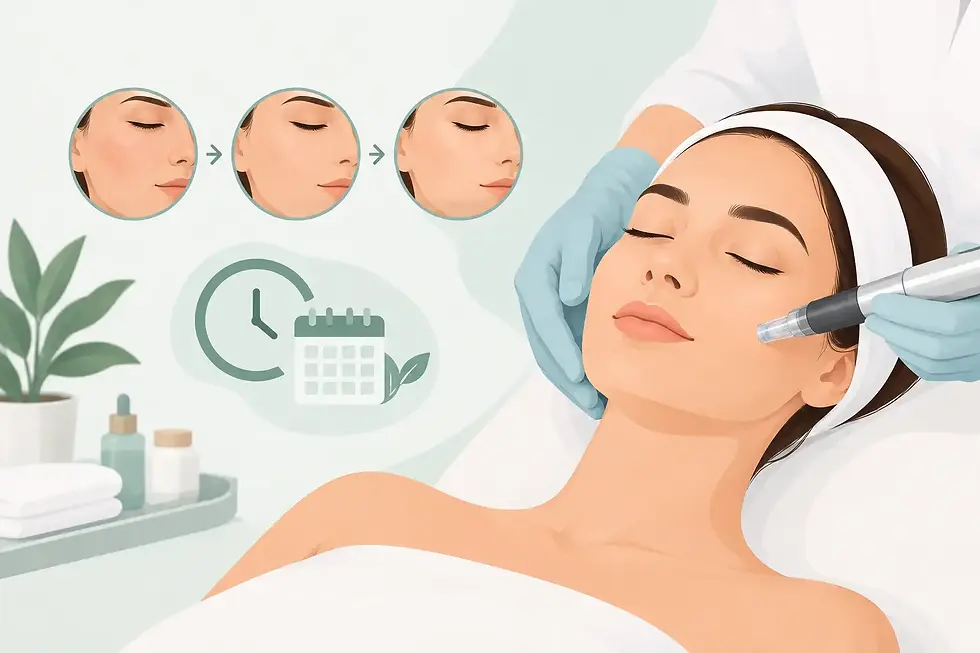
A clinical facial is more goal-driven. It generally starts with a closer look at the skin and uses professional techniques, treatment products, and modalities selected to address a specific concern. Depending on the provider, this may involve advanced exfoliation, targeted extractions, chemical peels, LED light therapy, dermaplaning, or other corrective services. The focus is not simply how your skin looks immediately after the appointment, but how it behaves over time.
Neither category is inherently better. A spa facial can be a beautiful part of a healthy maintenance routine. A clinical facial can be the more appropriate next step when you want structured progress with concerns that are not responding to home care alone.
What a Spa Facial Is Best For
Spa facials often shine when your skin is relatively stable and you are looking for a reset. They can support hydration, temporary brightness, relaxation, and that rested, cared-for feeling before an event or after a demanding season.
Massage is also not a minor benefit. For clients who carry stress in the jaw, forehead, or shoulders, being cared for in a calm environment can make a real difference in how they feel walking out. A thoughtful spa facial can create space to reconnect with yourself, which is part of self-respect, not an indulgence you need to justify.
That said, spa facials may not come with a detailed long-term strategy. Product selection can be broad, and the treatment may be adjusted for the day rather than placed within a corrective pathway. If your concern is persistent acne, visible sun damage, melasma-prone pigmentation, scarring, or significant sensitivity, relaxation alone may not be enough to create the change you are hoping to see.
What Makes a Facial Clinical
The word “clinical” should mean more than a white coat or a more serious-looking treatment menu. A quality clinical facial is rooted in assessment, intentionality, and appropriate follow-up.
Your provider should want to understand what your skin has been through: recent breakouts, current products, medications, lifestyle factors, prior treatments, sensitivity patterns, and what has or has not worked before. This conversation matters because skin can look similar on the surface while needing very different care underneath.
A clinical approach also considers timing. Aggressive exfoliation is not always the answer for dullness. Strong actives can be counterproductive when the barrier is inflamed. Extractions may be useful for congestion, but they should be performed carefully and only when the skin is ready. Good clinical care is not about doing the most. It is about doing what is appropriate, then giving the skin time and support to respond.
At YNG Aesthetics Lounge, treatment planning is built around this kind of thoughtful care. Rather than treating every appointment as a standalone service, the goal is to help clients correct concerns, maintain gains, and elevate their routine when their skin is ready.
Results Usually Require Continuity
One clinical facial can leave skin smoother or more radiant, but meaningful changes in texture, congestion, uneven tone, or resilience usually develop through consistency. That may involve a sequence of treatments, home-care adjustments, and check-ins that account for how your skin is responding.
This is one reason memberships and ongoing provider relationships can be valuable. They create room for your plan to evolve. Your skin is not static, especially in a humid, sunny climate like South Florida, where heat, UV exposure, and seasonal routines can affect oil production, pigmentation, and sensitivity.
Choosing Based on Your Goal, Not the Treatment Name
The treatment name on a menu rarely tells the whole story. Start with the outcome you want and the condition of your skin today.
If your primary goal is relaxation, hydration, and a polished appearance before a special occasion, a spa facial may be the ideal fit. You may also choose it when your skincare routine is working well and you simply want occasional professional maintenance.
If you are trying to improve recurring acne, post-breakout marks, rough texture, visible signs of sun exposure, or skin that feels unpredictable, a clinical consultation is often more useful. You are not committing to an aggressive procedure by asking for guidance. You are creating a clearer starting point.
For beginners, this distinction can be especially reassuring. You do not need to arrive knowing whether you need enzymes, microneedling, a peel, or a barrier-focused treatment. A trusted provider should explain what they see, why they recommend a certain direction, and what alternatives may make more sense for your comfort level and timeline.
Ask These Questions Before You Book
A few direct questions can reveal whether an experience is aligned with your needs. Ask what the provider recommends for your specific concern, how much downtime to expect, what results are realistic after one visit, and what at-home care will protect your progress.
Also ask whether the treatment is appropriate if you are using prescription skin products, are pregnant or nursing, have a history of cold sores, or recently received another aesthetic service. These details can change the safest treatment choice. A provider who pauses to ask thoughtful questions is protecting your skin, not delaying your results.
The Trade-Off: Comfort, Correction, and Downtime
Spa facials generally prioritize comfort and immediate relaxation. Clinical facials can still feel deeply calming, but the treatment may be more focused and less massage-centered. Some corrective options also involve temporary redness, light flaking, or a short period of sensitivity.
Downtime is not a sign that a treatment is better. In fact, more downtime is not always appropriate. The right amount depends on your skin health, your calendar, and the concern being addressed. Someone preparing for photos in three days may need a very different plan from someone beginning a three-month corrective pathway.
Be cautious of anyone promising dramatic transformation from a single facial or recommending intensive treatments without discussing recovery, sun protection, and your home routine. Visible results matter, but long-term skin health is the foundation that allows those results to last.
When a Hybrid Approach Makes Sense
The choice does not always have to be clinical or spa. Many people benefit from a treatment that combines corrective intention with a restorative experience. For example, a provider may focus on gentle enzyme-based work, hydration, circulation, and barrier support when skin is stressed but still needs professional attention.
This approach can be particularly helpful after travel, during a busy period, or when your skin feels dull and reactive at the same time. It respects the fact that wellness and results are connected. Skin often responds best when it is not being pushed past its limits.
A good plan may also change throughout the year. You might begin with corrective clinical services, move into consistent maintenance once goals are met, and schedule more restorative treatments when your skin and schedule call for them. That flexibility is a sign of individualized care, not inconsistency.
Give Your Skin a Thoughtful Starting Point
The best facial is not the one with the most steps, the strongest sensation, or the trendiest technology. It is the one that meets your skin with care, gives you realistic expectations, and leaves you knowing what comes next.
Start with a conversation. When you understand your skin’s needs and have a provider who listens closely, each appointment can become part of a steadier kind of progress: skin that feels supported, looks healthier, and helps you show up as yourself.


Comments